Exploring the Diversity of Religions in Bangladesh
Bangladesh, a country located in South Asia, is renowned for its rich tapestry of cultures, languages, and religions. With a population exceeding 160 million, it is one of the most densely populated countries in the world. The nation’s religious landscape is just as diverse as its demographic fabric, comprising a variety of faiths that coexist and influence each other’s practices and beliefs. This article delves into the multitude of religions practiced in Bangladesh, highlighting their historical significance, cultural implications, and the challenges they face in a rapidly changing world.
Historical Context of Religion in Bangladesh
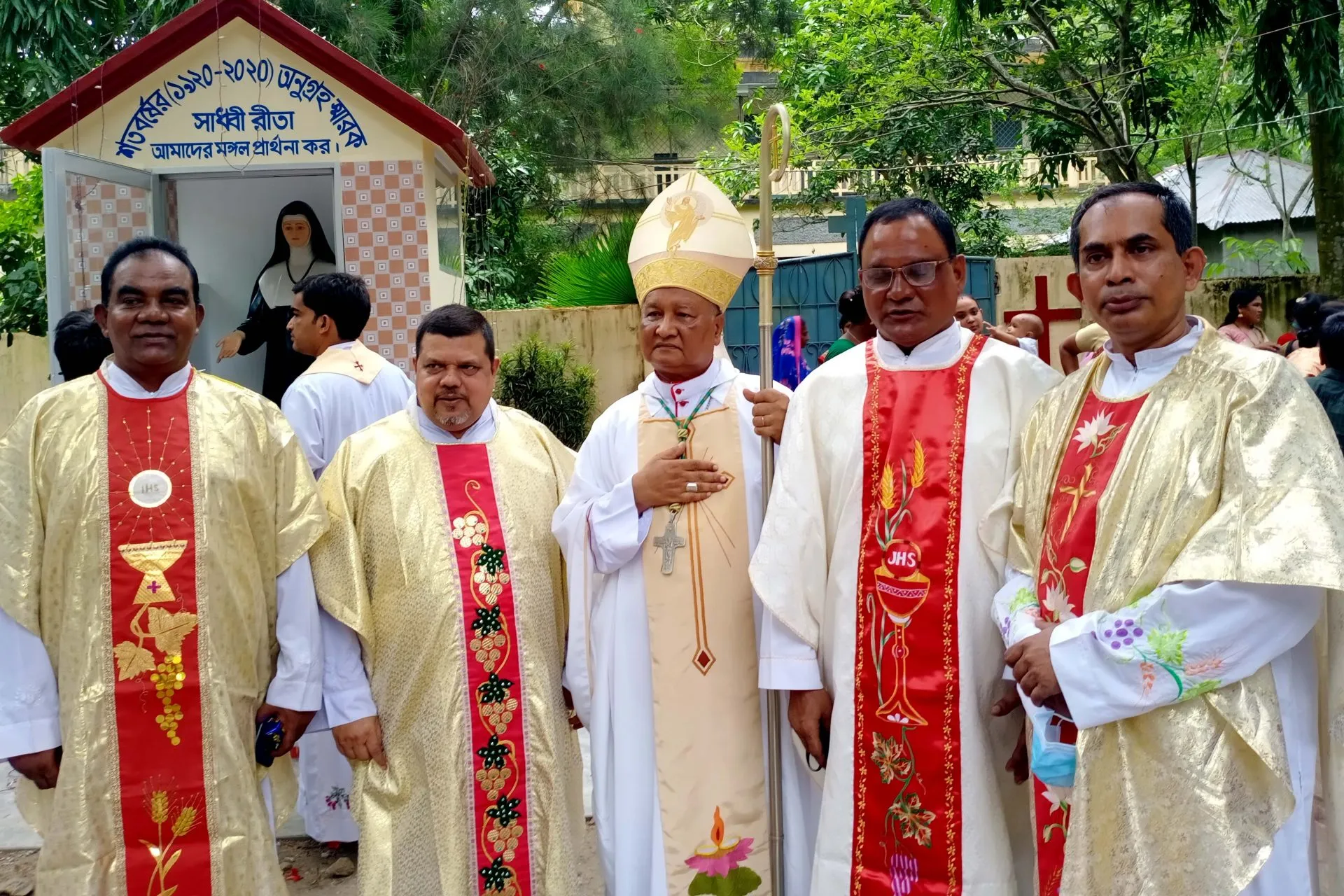
The religious diversity in Bangladesh can be traced back to its ancient history, influenced by various civilizations such as the Aryans, Buddhists, and later, Muslim rulers. The region has been a melting pot of different cultures and faiths, creating a rich religious heritage.
- Hinduism: One of the oldest religions in the region, Hinduism has a significant following in Bangladesh, particularly among the Bengali population. The religion’s roots can be traced back to the Vedic period, and it has significantly influenced the culture, art, and festivals of the Bengali people.
- Buddhism: Buddhism once thrived in ancient Bengal, especially during the Pala Empire (8th to 12th centuries). Although its influence waned over time, a small community of Buddhists, primarily in the Chittagong Hill Tracts, still practices their faith.
- Islam: The arrival of Islam in the 13th century transformed the religious landscape. Today, approximately 90% of the population identifies as Muslim, making Islam the predominant religion in Bangladesh.
- Christianity: While a minority, Christianity has been present in Bangladesh since the arrival of Portuguese missionaries in the 16th century. Various denominations, including Catholicism and Protestantism, have established communities throughout the country.
Demographics of Religions in Bangladesh

According to the Bangladesh Bureau of Statistics (BBS), the religious demographics are as follows:
- Muslims: Approximately 90% of the population.
- Hindus: Roughly 8-10%.
- Christians: About 0.5-1%.
- Buddhists: Approximately 0.5%.
- Others: Includes indigenous belief systems and other religions.
These figures indicate a significant Muslim majority, but the presence of other religions contributes to the country’s cultural richness. Each faith brings unique traditions, rituals, and festivals that add to the vibrant social fabric of Bangladesh.
Major Religions and Their Practices
Islam
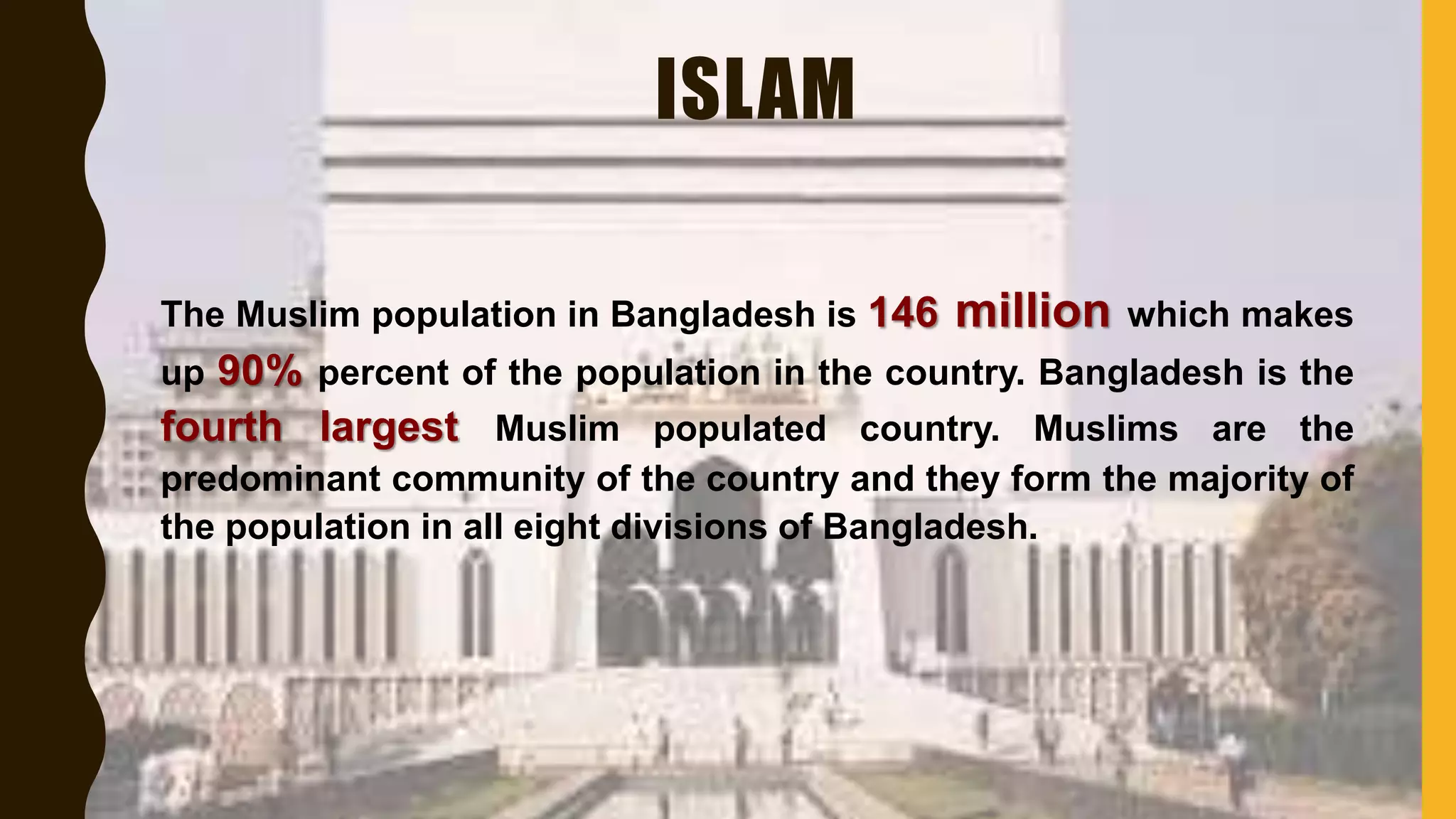
Islam is the dominant religion in Bangladesh, with the majority of Muslims adhering to Sunni Islam. The country is known for its religious tolerance, with various Islamic practices being observed:
- Prayer and Fasting: Daily prayers and fasting during Ramadan are central to Islamic practice.
- Eid Celebrations: Eid al-Fitr and Eid al-Adha are major religious festivals celebrated with great fervor.
- Islamic Education: Madrasas (Islamic schools) play a crucial role in educating young Muslims about their faith.
Hinduism

Hinduism has a rich cultural presence in Bangladesh, particularly in areas such as Dhaka, Jessore, and Khulna. Key elements include:
- Festivals: Durga Puja is the most celebrated Hindu festival, attracting thousands of devotees.
- Temples: Historic temples, such as the Kantaji Temple, serve as centers for worship and community gathering.
- Rituals: Hindu rituals and customs are deeply intertwined with Bengali culture.
Buddhism
Though a minority, Buddhism has a historical legacy in Bangladesh, especially within the indigenous Chakma community in the Chittagong Hill Tracts. Practices include:
- Monastic Life: Monasteries serve as spiritual centers for meditation and community life.
- Vesak: The celebration of Buddha’s birth, enlightenment, and death is observed with great reverence.
Christianity
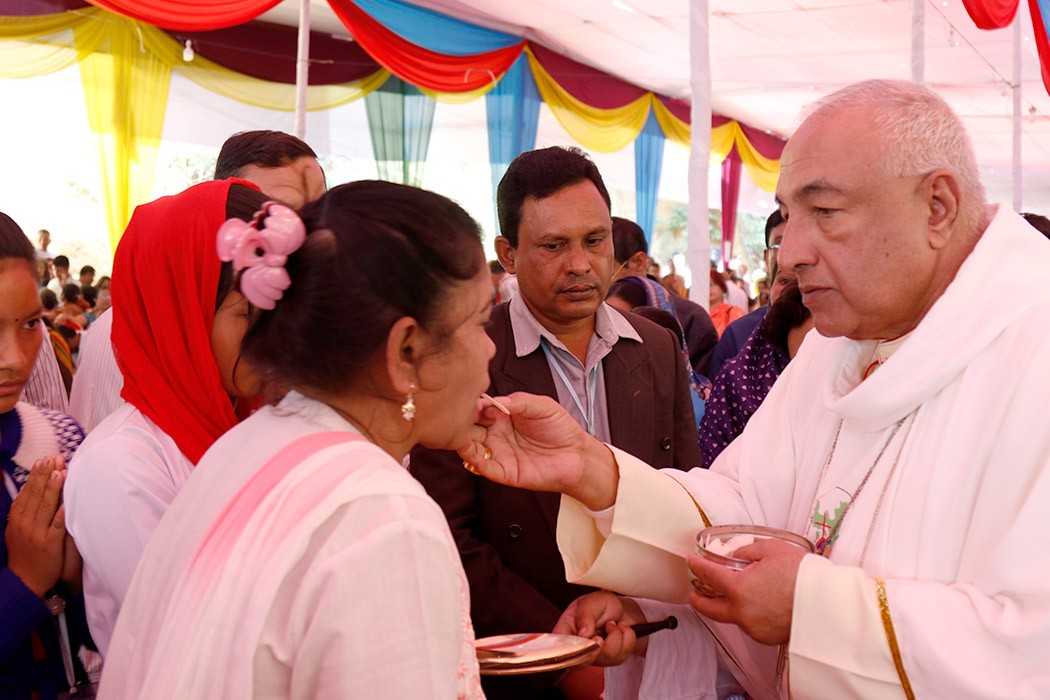
Christianity, though a minority religion, has established a significant presence, particularly in urban areas. Its practices include:
- Church Services: Regular Sunday services and special events like Christmas and Easter.
- Educational Institutions: Many schools and colleges run by Christian organizations contribute to education in Bangladesh.
Interfaith Relations and Cultural Exchange

Despite the religious divides, Bangladesh is often cited as a model of interfaith harmony, where people from different religions coexist peacefully. This coexistence is evident in various aspects:
- Joint Celebrations: Many Hindu and Muslim communities participate in each other’s festivals, fostering goodwill.
- Shared Spaces: Religious sites often attract visitors from other faiths, creating a sense of shared heritage.
Furthermore, the country’s secular constitution promotes religious freedom, allowing for a pluralistic society where diverse beliefs can flourish.
Challenges Faced by Minority Religions
Despite the overall atmosphere of tolerance, minority religions in Bangladesh face several challenges:
- Discrimination: Religious minorities sometimes encounter social and political discrimination, which can affect their livelihoods and security.
- Vandalism of Religious Sites: Incidents of vandalism against temples, churches, and monasteries have been reported.
- Political Marginalization: Minorities may feel marginalized in political discourse, affecting their representation.
Efforts are being made by various NGOs and civil society organizations to support minority rights and promote dialogue among different religious communities.
Bangladesh’s religious diversity is a testament to its rich cultural heritage and history. While Islam remains the predominant faith, Hinduism, Buddhism, and Christianity contribute significantly to the country’s social fabric. The spirit of interfaith dialogue and cooperation has fostered a unique blend of traditions that are celebrated across communities. However, challenges remain for minority religions, necessitating continued efforts toward inclusivity and acceptance.
Understanding and appreciating this diversity is crucial for fostering a harmonious society, where every individual, regardless of their faith, can coexist peacefully. As Bangladesh continues to evolve, the interplay of its diverse religions will undoubtedly shape its future, making it a significant case study for the broader discourse on religious harmony in the world.