Humanitarian Crisis: The Plight of Refugees from Ukraine
The ongoing conflict in Ukraine, which escalated dramatically in February 2022 with Russia’s full-scale invasion, has resulted in one of the most significant humanitarian crises in recent history. Millions of Ukrainians have been forced to flee their homes, leaving behind their possessions, jobs, and often their loved ones. This article explores the plight of Ukrainian refugees, the challenges they face, and the responses from the international community.
The Scale of Displacement
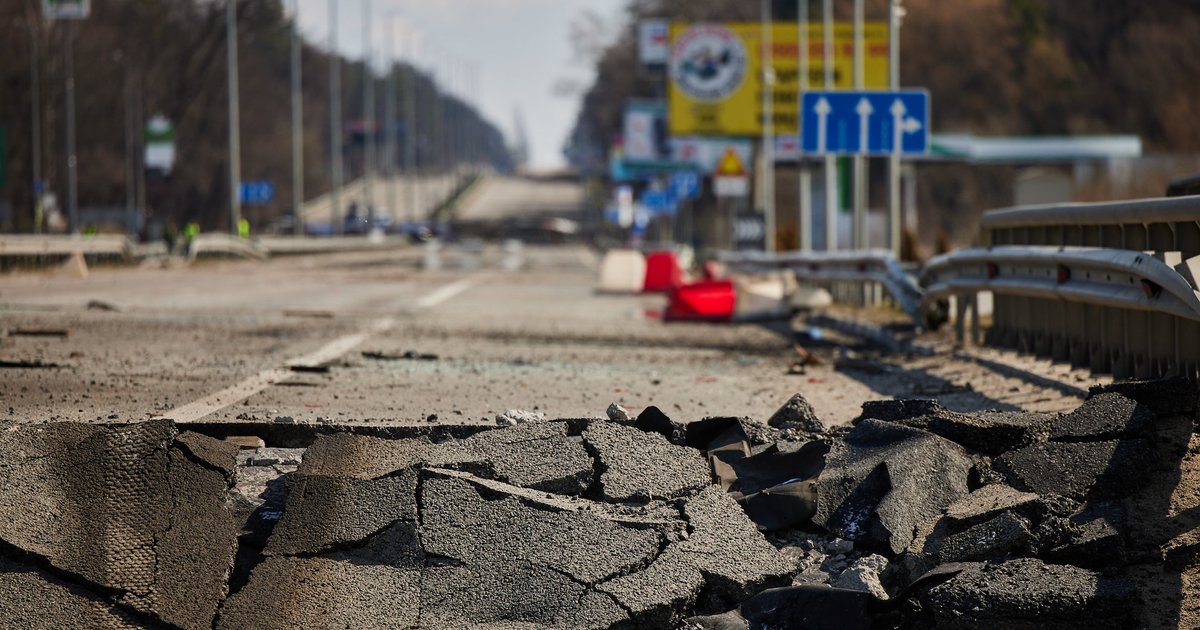
Since the onset of the conflict, the United Nations High Commissioner for Refugees (UNHCR) has reported staggering figures regarding the displacement of Ukrainians:
- Over 8 million people have been displaced within Ukraine.
- As of early 2023, more than 7.9 million Ukrainians have sought refuge in other countries.
- Countries such as Poland, Germany, and the Czech Republic have absorbed the majority of these refugees.
This mass exodus has created an unprecedented humanitarian challenge, necessitating coordinated responses from governments, NGOs, and international organizations.
Challenges Faced by Ukrainian Refugees
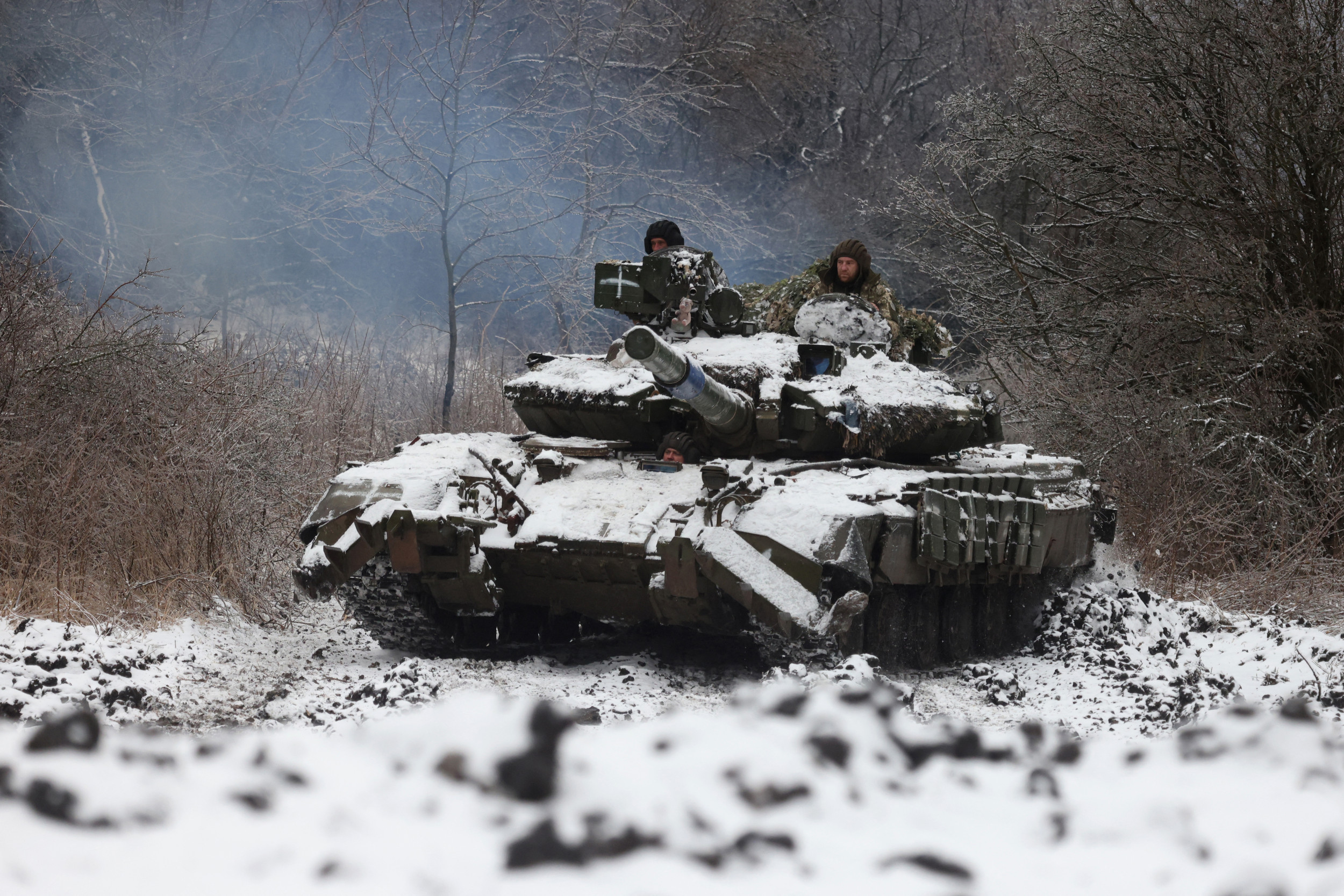
Ukrainian refugees face numerous challenges that complicate their quest for safety and stability.
Legal and Bureaucratic Barriers
Many refugees encounter legal hurdles that complicate their status in host countries. These include:
- Unfamiliarity with immigration laws and regulations.
- Lengthy application processes for asylum or temporary protection.
- Limited access to legal assistance.
These barriers can lead to prolonged uncertainty and anxiety for those seeking refuge.
Access to Basic Needs

Access to essential services is another significant challenge. Refugees often struggle with:
- Housing shortages, leading to overcrowded shelters.
- Inadequate healthcare services, particularly for those with pre-existing medical conditions.
- Limited access to education for children, hindering their integration into host societies.
These factors can exacerbate the vulnerabilities of refugees, making their transition to a new life exceedingly difficult.
Psychosocial Impact
The trauma of war and displacement has profound psychological effects. Many refugees experience:
- Post-Traumatic Stress Disorder (PTSD).
- Depression and anxiety related to their experiences.
- A sense of loss and grief for what they have left behind.
Addressing these mental health issues is crucial for the long-term well-being of refugees.
International Response and Solidarity

The international community has largely rallied in support of Ukrainian refugees, although responses have varied by country and region.
European Union Initiatives
The European Union (EU) has implemented several measures to support Ukrainian refugees, including:
- The Temporary Protection Directive, allowing refugees to reside and work in EU member states without going through lengthy asylum processes.
- Financial aid to member states hosting large numbers of refugees.
- Coordinated efforts to provide humanitarian aid and resources, such as food and shelter.
These initiatives have helped to mitigate some of the immediate challenges faced by refugees.
NGO and Community Efforts
Non-governmental organizations (NGOs) and community groups have played a vital role in providing support. Their efforts include:
- Establishing shelters and food distribution networks.
- Offering legal assistance and counseling services.
- Creating community programs to help refugees integrate.
Organizations like the International Rescue Committee and Save the Children have been instrumental in these efforts, illustrating the importance of grassroots initiatives in addressing humanitarian crises.
Case Study: The Polish Response
Poland has become one of the primary destinations for Ukrainian refugees, hosting nearly 1.5 million individuals by early 2023. The Polish government, along with local communities, has implemented a range of measures to support these newcomers:
- Free public transport for refugees.
- Access to healthcare services, including vaccinations and mental health support.
- Integration programs that help refugees learn Polish and find employment.
Local Polish citizens have shown remarkable solidarity, often providing shelter and resources to those in need. This response highlights not only the challenges of displacement but also the capacity for compassion and community support during crises.
The Future of Ukrainian Refugees
The future of Ukrainian refugees is uncertain, as the conflict continues and recovery efforts are underway. Key factors influencing their future include:
- The duration of the conflict and the potential for a peace agreement.
- The willingness of host countries to continue supporting refugees in the long term.
- The ability of refugees to integrate into their new communities and rebuild their lives.
While many refugees express a desire to return to Ukraine, the reality of rebuilding a war-torn country poses significant challenges. The international community must remain committed to supporting both refugees and the recovery of Ukraine.
A Call for Continued Support
The plight of Ukrainian refugees is a stark reminder of the human cost of conflict. As millions seek safety and a new beginning, it is imperative that the international community continues to provide support and solidarity. The challenges are immense, but so too is the opportunity for compassion and cooperation. By fostering environments that promote integration, mental health, and access to essential services, we can help these individuals rebuild their lives and contribute to the societies that have welcomed them.
In summary, the Ukrainian refugee crisis underscores the urgent need for a comprehensive humanitarian response, emphasizing the importance of collective action and empathy in addressing the needs of those affected by war and displacement. As we look to the future, it is vital to ensure that the stories of these individuals are not forgotten, and that their rights and dignity are upheld in every corner of the globe.

 "Kira Miro and Her Boyfriend: A Look at Their Love Story")