The Role of the FA Cup in English Football Culture
The FA Cup, officially known as the Football Association Challenge Cup, represents more than just a prestigious knockout competition in English football. Since its inception in 1871, the FA Cup has become a symbol of sporting history, tradition, and cultural significance, deeply woven into the fabric of English football culture. This article explores the multifaceted roles the FA Cup plays in shaping football culture in England, including its historical importance, its impact on clubs and communities, and its ongoing relevance in contemporary football.
A Historical Perspective: The Birth of the FA Cup

The FA Cup is the oldest football competition in the world, with a history spanning over 150 years. Established to create a single knockout tournament for clubs across England, it has undergone numerous changes but has retained its core ethos—providing a platform for all levels of football, from amateur clubs to professional giants.
Some key historical milestones include:
- 1871-72: The inaugural tournament – The first FA Cup featured 15 teams, with Wanderers emerging victorious.
- 1923: The ‘White Horse Final’ – The final between Bolton Wanderers and West Ham United was notable for the thousands of fans who rushed onto the pitch, leading to the famous image of a mounted police officer on a white horse.
- 1970s-1980s: Cultural significance – The FA Cup final became a national event, with millions tuning in to watch, marking it as a symbol of hope and triumph.
The FA Cup and its Cultural Impact
The FA Cup has a unique cultural significance in English football, acting as a bridge between communities, fostering local pride, and showcasing the spirit of competition. Its allure lies in several key aspects:
1. The Underdog Story
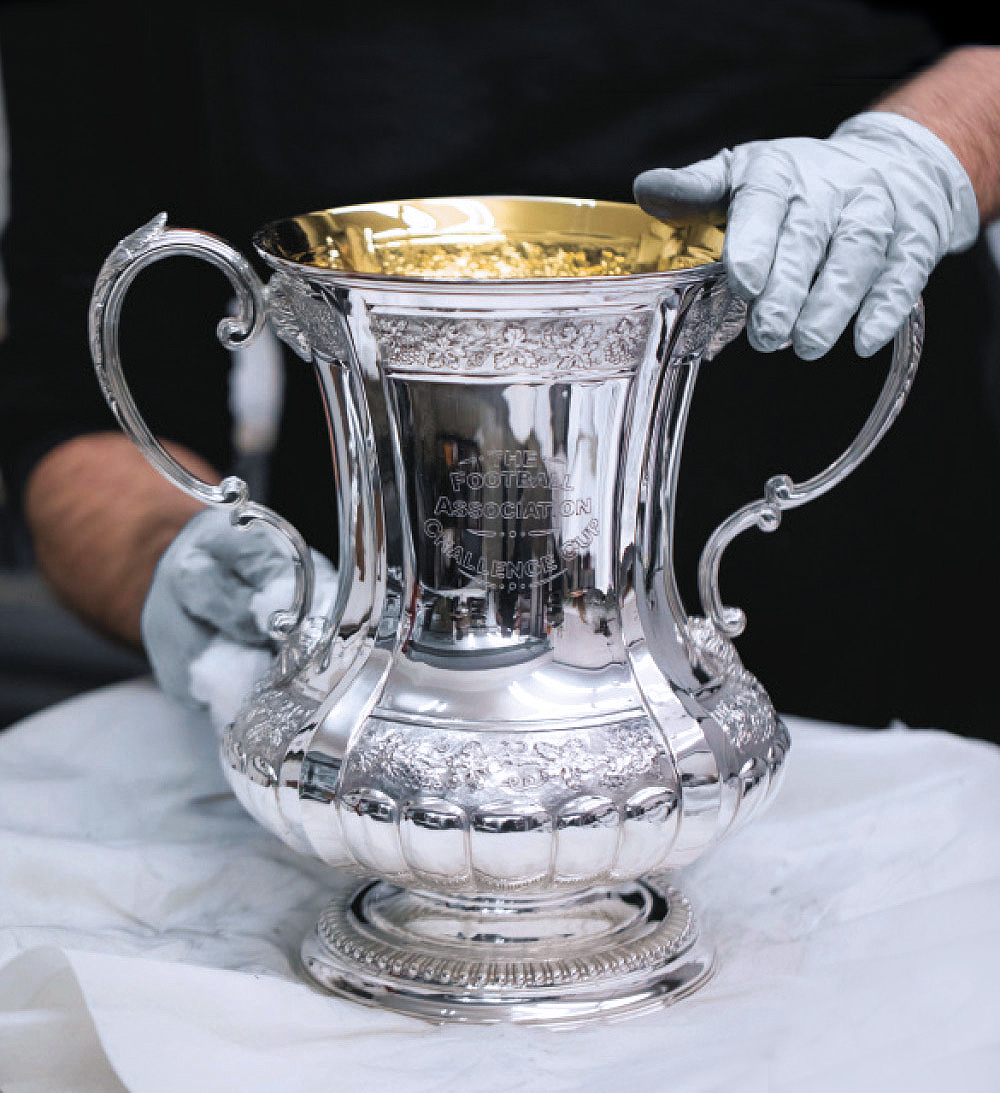
One of the most cherished narratives in the FA Cup is the classic underdog story. Smaller clubs often face off against footballing giants, creating opportunities for shocking upsets. These matches resonate deeply with fans, embodying the idea that “anything can happen.”
Examples include:
- Wimbledon vs. Liverpool (1988): Wimbledon, a club formed just a few years earlier, defeated the mighty Liverpool in a historic final, illustrating the unpredictable nature of the Cup.
- Chasetown (2007): The non-league side reached the third round, becoming the lowest-ranked team to do so, showcasing the tournament’s ability to elevate local clubs to national prominence.
2. Community Involvement
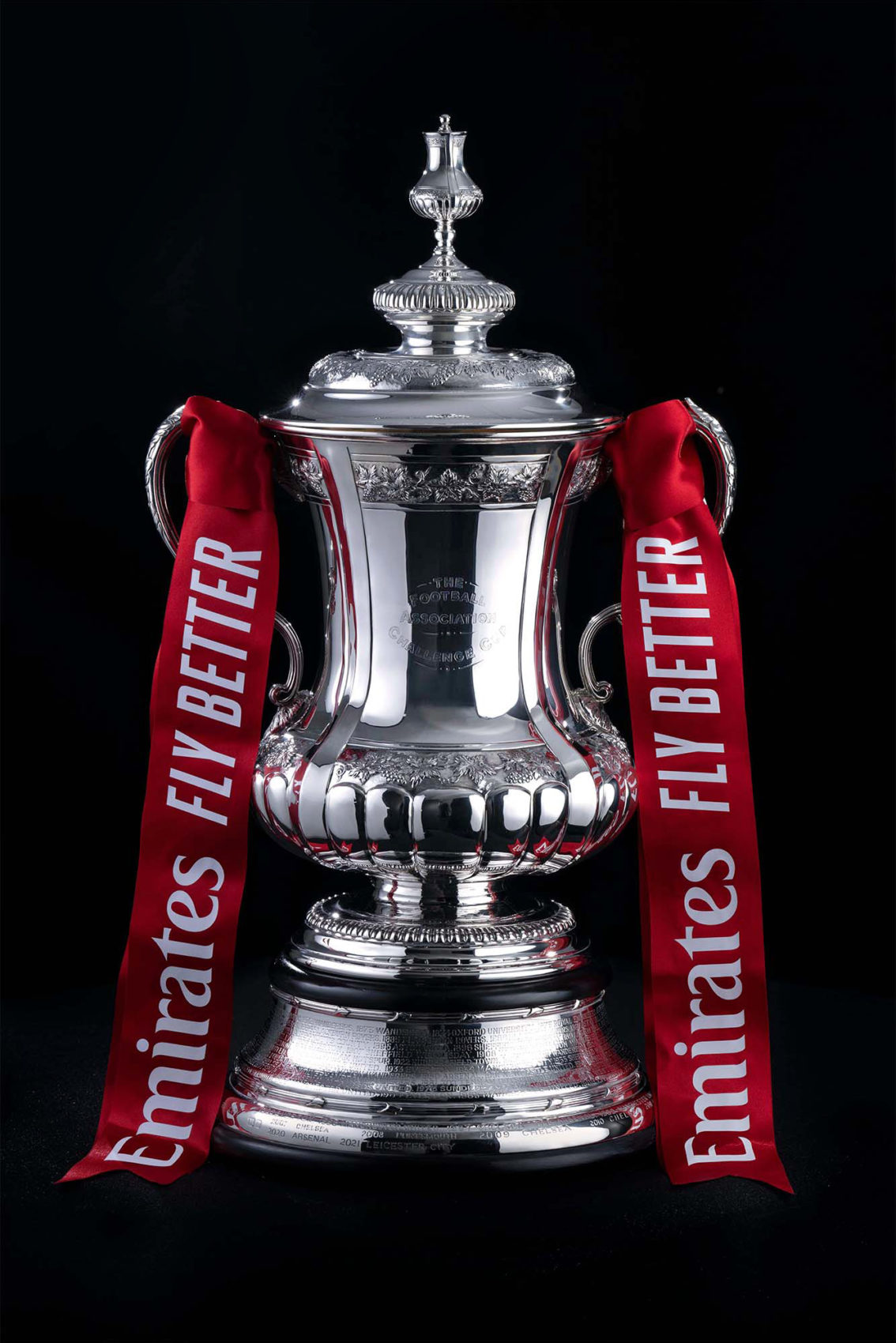
The FA Cup fosters strong community ties, as local clubs often serve as a focal point for regional pride and identity. The community rallies behind their teams, supporting them both financially and emotionally during the competition.
Notable initiatives include:
- Community clubs: Local teams often engage in outreach programs, using the Cup as a way to inspire youth participation in football.
- Fan engagement: Clubs host events that bring together fans, families, and local businesses during FA Cup matches, creating a vibrant atmosphere.
3. A Stage for Emerging Talent
The FA Cup has long been a platform for young and emerging players to showcase their talent. Many football legends have made their mark in the Cup, using it as a springboard to greater success.
Prominent examples include:
- Ryan Giggs: The Manchester United legend scored a memorable solo goal against Arsenal in the 1999 FA Cup semi-final, which became iconic in his career.
- Michael Owen: At just 18 years old, Owen scored a stunning goal in the 1998 FA Cup final for Liverpool, announcing himself on the big stage.
The FA Cup in Modern Football
While the FA Cup maintains its historical relevance, it faces challenges in the modern football landscape. With the rise of lucrative leagues and competitions, the Cup’s place in the football calendar is continually evolving.
1. Commercialization and Its Effects

The commercialization of football has introduced new dynamics to the FA Cup. Premier League clubs often field weakened teams, prioritizing league performance and European competitions. This shift raises questions about the Cup’s integrity and significance.
2. The Role of Technology
Technological advancements, including VAR (Video Assistant Referee), have affected how the FA Cup is officiated. While intended to improve fairness, the introduction of VAR has sparked debates among fans about its impact on the spontaneity and excitement of the tournament.
3. The FA Cup’s Global Appeal

Despite challenges, the FA Cup continues to hold global appeal. International fans eagerly follow the tournament, drawn to its rich history and the chance to witness dramatic matches. The FA Cup also serves as a showcase for English football, helping to promote the Premier League brand internationally.
Case Studies: Memorable FA Cup Finals
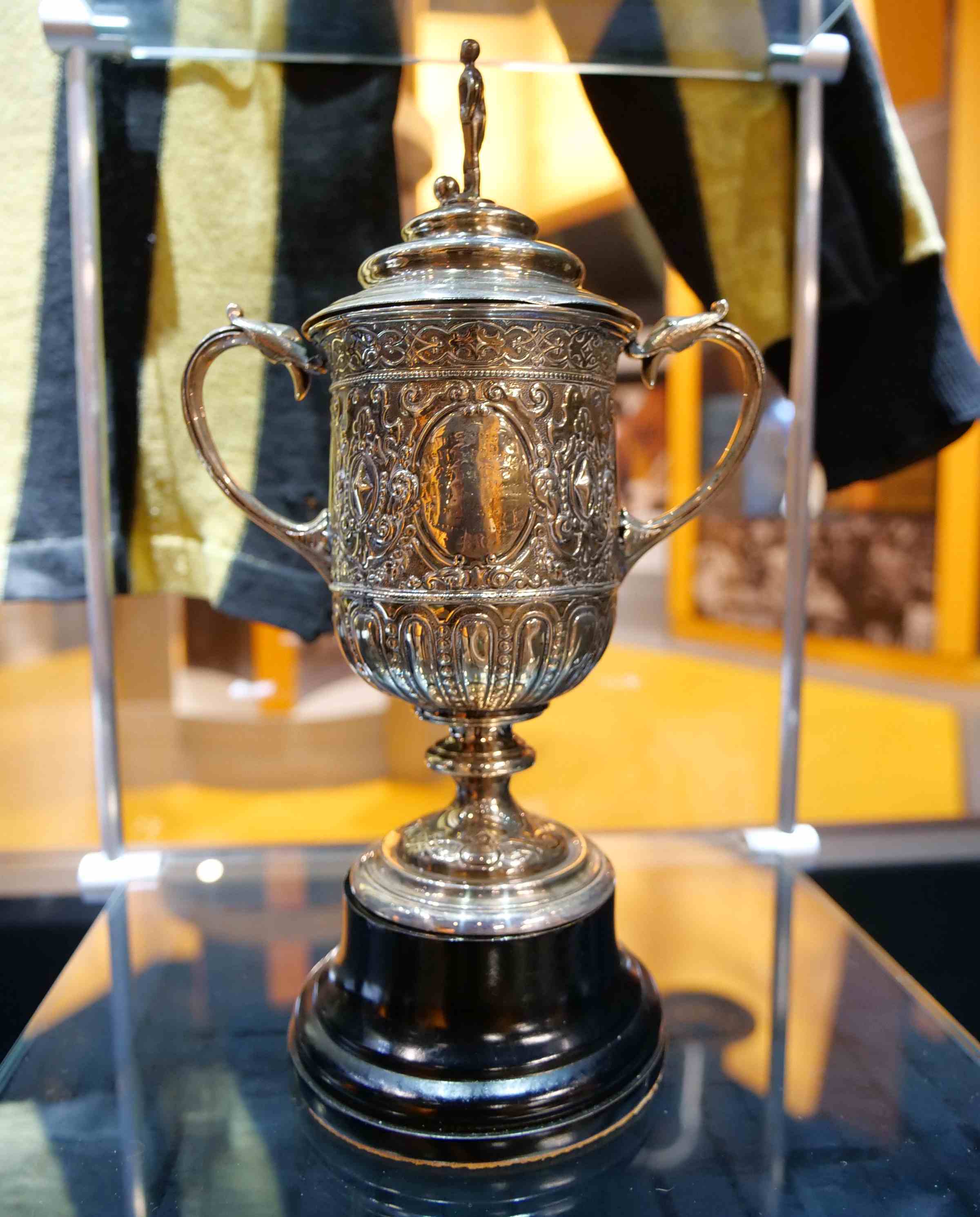
Throughout its history, certain FA Cup finals have become etched in football lore, often remembered for their drama, skill, and significance.
1. The 1990 Final: A Tale of Two Cities
The 1990 FA Cup final between Manchester United and Crystal Palace ended in a dramatic 3-3 draw, with United eventually winning in a replay. The match saw a young United side, led by Sir Alex Ferguson, begin their ascent to dominance in English football.
2. The 2006 Final: The ‘Battle of the Giants’
In 2006, Liverpool faced West Ham United in a thrilling final that ended 3-3, leading to a penalty shootout. Liverpool’s victory, marked by Steven Gerrard’s stunning equalizer, reinforced the Cup’s reputation for drama and excitement.
The Enduring Legacy of the FA Cup
The FA Cup holds a unique and cherished place in English football culture, intertwining history, community, and competition into a narrative that resonates with fans across the globe. While it faces challenges in a rapidly evolving football landscape, its ability to create unforgettable moments and showcase the spirit of the game ensures its continued relevance.
As we look to the future, the FA Cup remains a beacon of hope for underdogs, a platform for emerging talent, and a cherished tradition that will continue to inspire generations of football fans. The enduring legacy of the FA Cup is not merely in its trophies or accolades but in the stories, dreams, and communities it represents across England.