The Silent Struggle: Justin Timberlake’s Battle with Lyme Disease
In recent years, Lyme disease has emerged as a significant public health concern, affecting thousands across the globe. Among the high-profile cases bringing attention to this debilitating illness is that of pop icon Justin Timberlake. While he has long been celebrated for his contributions to music and entertainment, Timberlake’s struggle with Lyme disease highlights a silent battle that many face, often without the public’s awareness. In this article, we will explore Timberlake’s experience with Lyme disease, the broader implications of the illness, and raise awareness about this often-misunderstood condition.
Understanding Lyme Disease
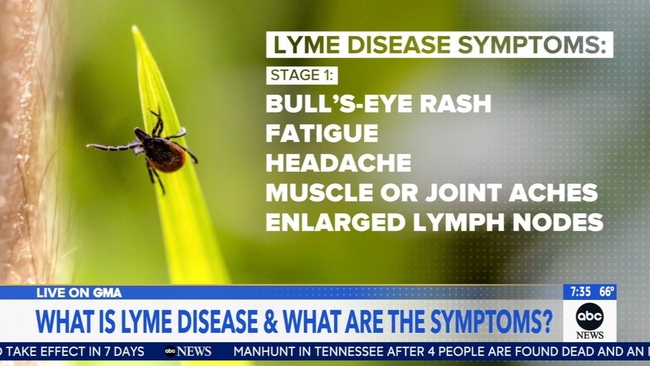
Lyme disease is an infectious disease caused by the bacterium Borrelia burgdorferi, which is transmitted to humans through the bite of infected blacklegged ticks. The disease is prevalent in certain regions, particularly in North America and Europe. Here are some key facts about Lyme disease:
- Transmission: The disease is primarily spread by the bite of infected ticks, particularly during the warmer months when people are more likely to be outdoors.
- Symptoms: Early symptoms can include fever, chills, headache, fatigue, and a characteristic skin rash called erythema migrans. If left untreated, the infection can spread to joints, the heart, and the nervous system.
- Diagnosis: Diagnosis can be complicated, as symptoms often mimic other illnesses. Blood tests can help confirm the presence of the bacteria, but many cases go undiagnosed.
- Treatment: Early-stage Lyme disease is typically treated with antibiotics, but some individuals experience lingering symptoms, known as Post-Treatment Lyme Disease Syndrome (PTLDS).
Justin Timberlake’s Diagnosis

In early 2018, Justin Timberlake revealed his personal battle with Lyme disease during an interview, shedding light on his silent struggle. Timberlake described experiencing fatigue and a range of symptoms that affected both his physical and mental well-being. His candidness served as a wake-up call for many fans and the general public about the realities of Lyme disease.
Timberlake’s acknowledgment of his condition was significant for several reasons:
- Raising Awareness: By speaking out, Timberlake brought attention to a disease that often goes underreported and misunderstood.
- Breaking Stigma: Sharing his journey helped to destigmatize chronic illnesses, particularly those that are invisible or misunderstood.
- Encouraging Dialogue: Timberlake’s openness encouraged discussions around the importance of awareness, prevention, and treatment for Lyme disease.
The Impact of Lyme Disease on Timberlake’s Life

Living with Lyme disease has undoubtedly had an impact on Timberlake’s life and career. The symptoms associated with the illness can be debilitating, often leading to feelings of isolation and frustration. Timberlake’s experience highlights several key challenges faced by those battling Lyme disease:
- Physical Limitations: Fatigue and joint pain can severely limit one’s ability to perform daily activities or maintain a rigorous tour schedule.
- Mental Health Struggles: Chronic illness can lead to anxiety and depression, compounding the difficulties of living with an invisible disease.
- Professional Challenges: For artists like Timberlake, the pressure to perform at high levels can exacerbate health issues, leading to difficult decisions about career commitments.
Public Response and Support
Timberlake’s revelation about his battle with Lyme disease was met with overwhelming support from fans, fellow artists, and health advocates. Many took to social media to express their solidarity and share their experiences with Lyme disease. The public response emphasized the need for greater awareness and understanding of the illness. Some notable reactions included:
- Support from Peers: Fellow musicians and celebrities publicly supported Timberlake, sharing messages of encouragement and understanding.
- Increased Awareness Campaigns: Various organizations ramped up efforts to raise awareness about Lyme disease, emphasizing prevention and early diagnosis.
- Community Building: Timberlake’s story fostered a sense of community among those affected by Lyme disease, encouraging them to share their struggles and support one another.
The Science Behind Lyme Disease

Understanding the science behind Lyme disease is crucial for prevention and treatment. Research continues to evolve, shedding light on various aspects of the illness:
- Geographical Spread: Lyme disease is most prevalent in the Northeastern and Upper Midwestern United States, with cases also reported in Europe and parts of Asia.
- Tick Behavior: Understanding the lifecycle of ticks can help individuals take preventive measures, such as using repellent and wearing protective clothing when in wooded or grassy areas.
- Treatment Innovations: Ongoing research is looking into more effective treatments for those suffering from PTLDS, as well as potential vaccines for Lyme disease.
The Road to Recovery

Timberlake’s journey with Lyme disease is ongoing, and like many others, he faces the challenge of recovery. The road to healing can be long and fraught with ups and downs. Recovery strategies often include:
- Medical Treatment: Regular consultations with healthcare professionals to tailor treatment plans based on individual symptoms.
- Therapeutic Approaches: Many patients find relief through physical therapy, counseling, and nutritional support.
- Community Support: Engaging with support groups can provide emotional backing and valuable information on managing symptoms.
A Call for Awareness and Understanding

Justin Timberlake’s battle with Lyme disease serves as a powerful reminder of the silent struggles many face with chronic illnesses. It highlights the importance of raising awareness, encouraging open dialogue, and fostering empathy towards those living with invisible diseases. As public figures like Timberlake share their experiences, they help to dismantle the stigma surrounding such conditions, paving the way for greater understanding and support.
Lyme disease is not just a personal struggle for Timberlake; it is a collective challenge that demands attention and action. By educating ourselves and others about the realities of Lyme disease, we can contribute to a culture of awareness and compassion, ensuring that those affected feel seen, heard, and supported in their journey towards recovery.

/cloudfront-us-east-1.images.arcpublishing.com/eluniverso/PYBS7BQ5LBE4BM7SMPK56C2WHU.jpg "Key Players to Watch in the Botafogo vs Barcelona SC Showdown")