A Comprehensive Guide to Caring for Your Russian Blue Cat
The Russian Blue cat is renowned for its stunning appearance and gentle temperament. With its striking blue-gray coat and vibrant green eyes, this breed has captivated cat lovers around the world. If you are fortunate enough to share your home with a Russian Blue, understanding how to care for this special breed is essential for ensuring their health and happiness. This article provides a comprehensive guide on how to care for your Russian Blue cat, covering everything from diet and grooming to health care and socialization.
Understanding the Russian Blue Breed

Before diving into the specifics of care, it is important to understand the unique characteristics of the Russian Blue breed. This breed is known for:
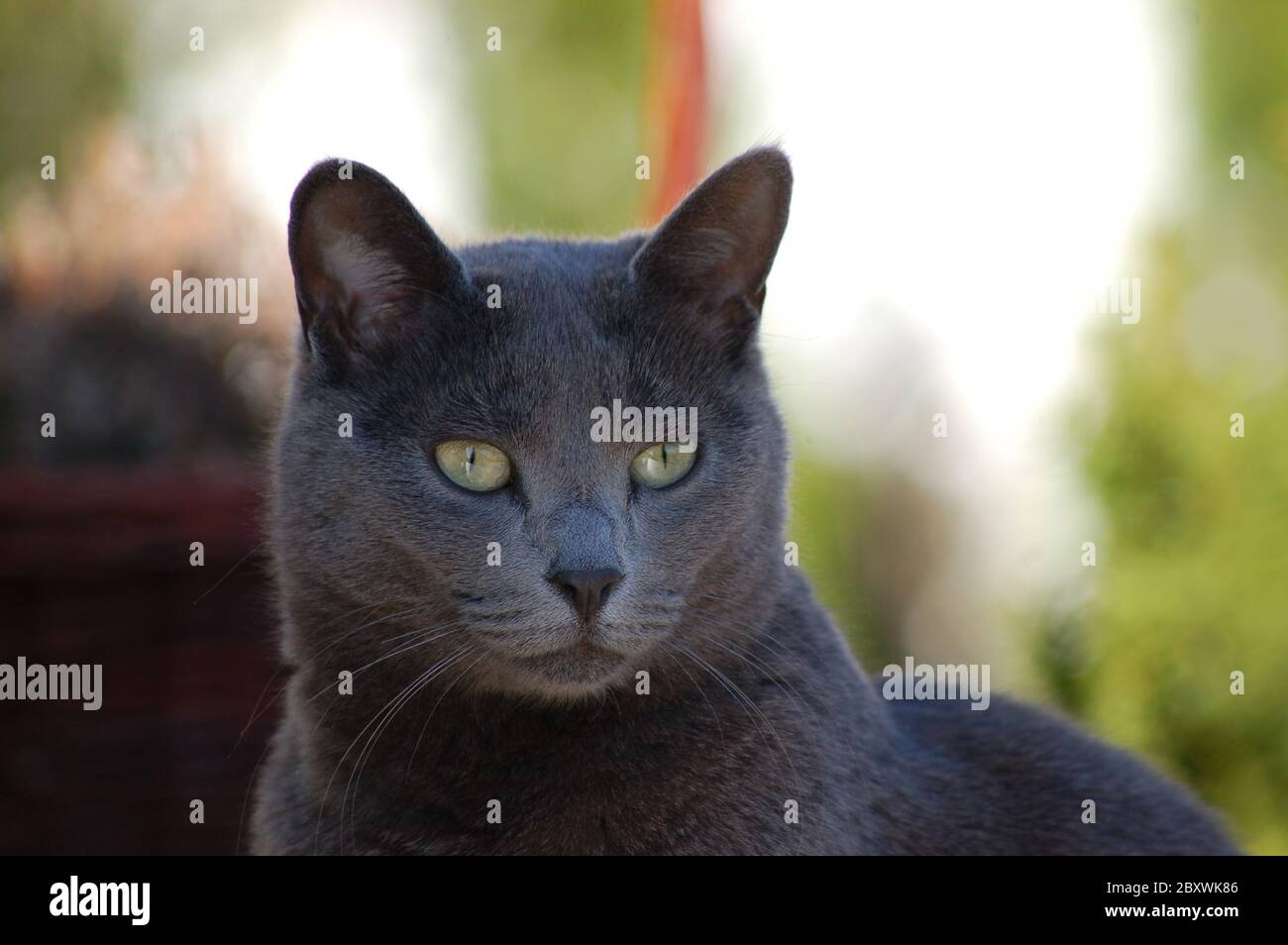
- Appearance: Russian Blues have a short, dense coat that is a distinctive bluish-gray color. Their eyes are a vivid green, which contrasts beautifully with their coat.
- Temperament: They are typically affectionate, intelligent, and playful. Russian Blues are known to form strong bonds with their owners and can be quite social.
- Health: Generally, Russian Blues are a healthy breed, but they can be prone to certain genetic conditions. Regular vet visits are crucial for early detection.
Creating a Comfortable Environment
Providing a safe and comfortable environment for your Russian Blue is the first step in ensuring their well-being. Here are some tips:
- Safe Space: Create a designated area for your cat that includes a comfortable bed, scratching posts, and toys. Cats appreciate having their own space where they can retreat and relax.
- Vertical Space: Russian Blues love to climb. Consider investing in cat trees or shelving to allow them to explore their vertical environment.
- Quiet Areas: These cats can be sensitive to loud noises. Ensure there are quiet areas in your home where they can escape if they feel overwhelmed.
Nutrition: The Foundation of Good Health
Feeding your Russian Blue a balanced diet is crucial for their health. Here’s what to consider:
- High-Quality Cat Food: Choose a high-quality cat food that lists real meat as the first ingredient. Look for options specifically formulated for cats based on their life stage (kitten, adult, senior).
- Hydration: Ensure your cat has access to fresh water at all times. Consider a water fountain, as many cats prefer running water and may drink more from it.
- Portion Control: Obesity can lead to health issues in cats. Follow feeding guidelines on the cat food packaging and adjust based on your cat’s activity level and weight.
Grooming: Maintaining Their Beautiful Coat
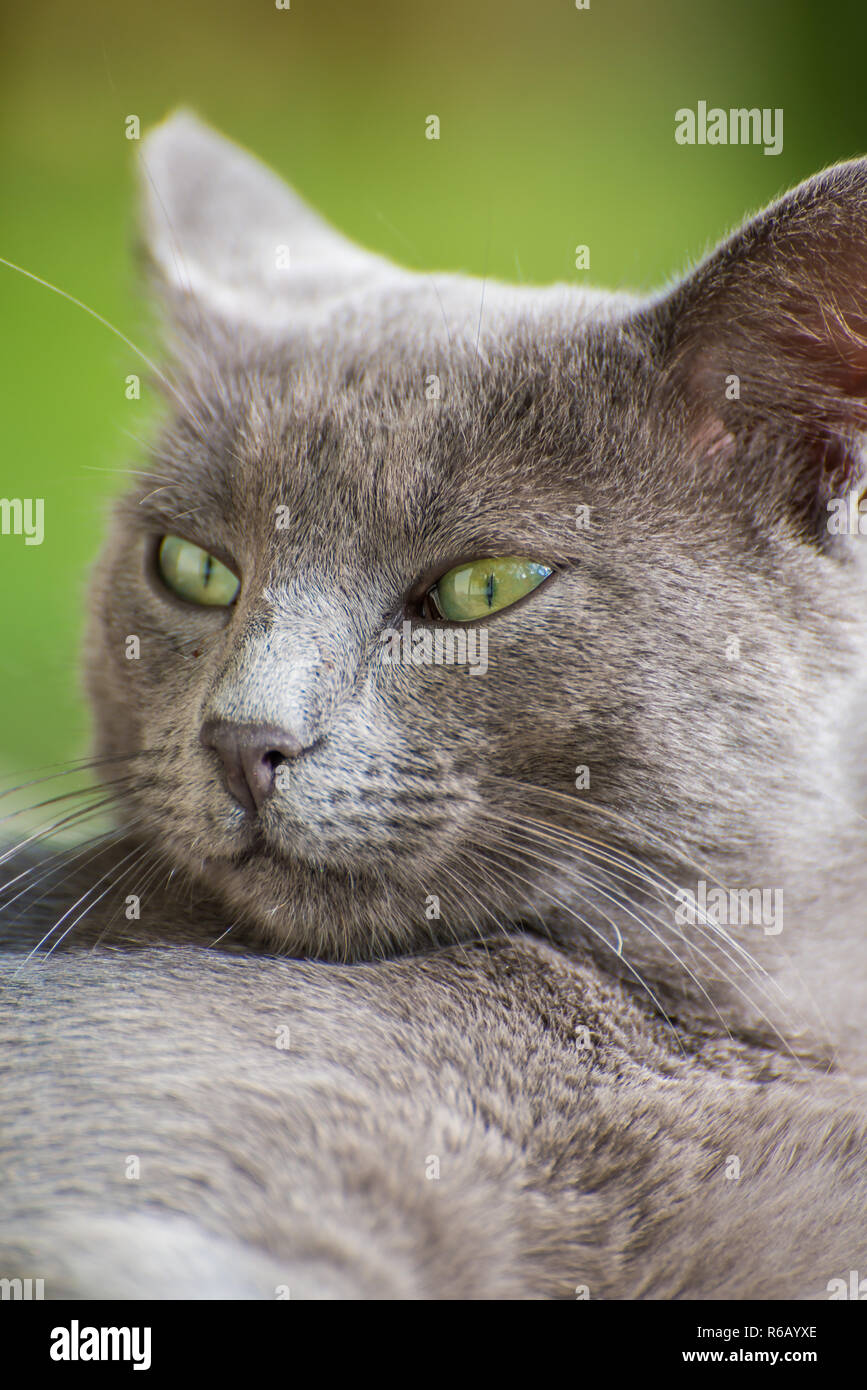
The Russian Blue’s dense double coat requires regular grooming to keep it in top condition. Here are some grooming tips:
- Brushing: Brush your Russian Blue at least once a week to remove loose hair and prevent matting. A slicker brush or a rubber grooming glove works well for their coat.
- Bathing: Generally, cats groom themselves effectively, but if your cat gets into something messy, a bath may be necessary. Use cat-specific shampoo and ensure they are thoroughly dried afterward.
- Nail Trimming: Regularly check and trim your cat’s nails to prevent overgrowth, which can lead to discomfort and health issues.
Health Care: Regular Check-Ups and Vaccinations
Routine veterinary care is essential for the health of your Russian Blue. Here’s what you need to keep in mind:
- Regular Vet Visits: Schedule annual check-ups to monitor your cat’s health. Your veterinarian can provide vaccinations and preventive care to keep your cat healthy.
- Dental Care: Dental health is important for cats. Introduce tooth brushing early on and consider dental treats or toys to help maintain dental hygiene.
- Watch for Symptoms: Be observant of any changes in behavior, appetite, or litter box habits, as these can be signs of health issues that require veterinary attention.
Socialization: Building a Strong Bond
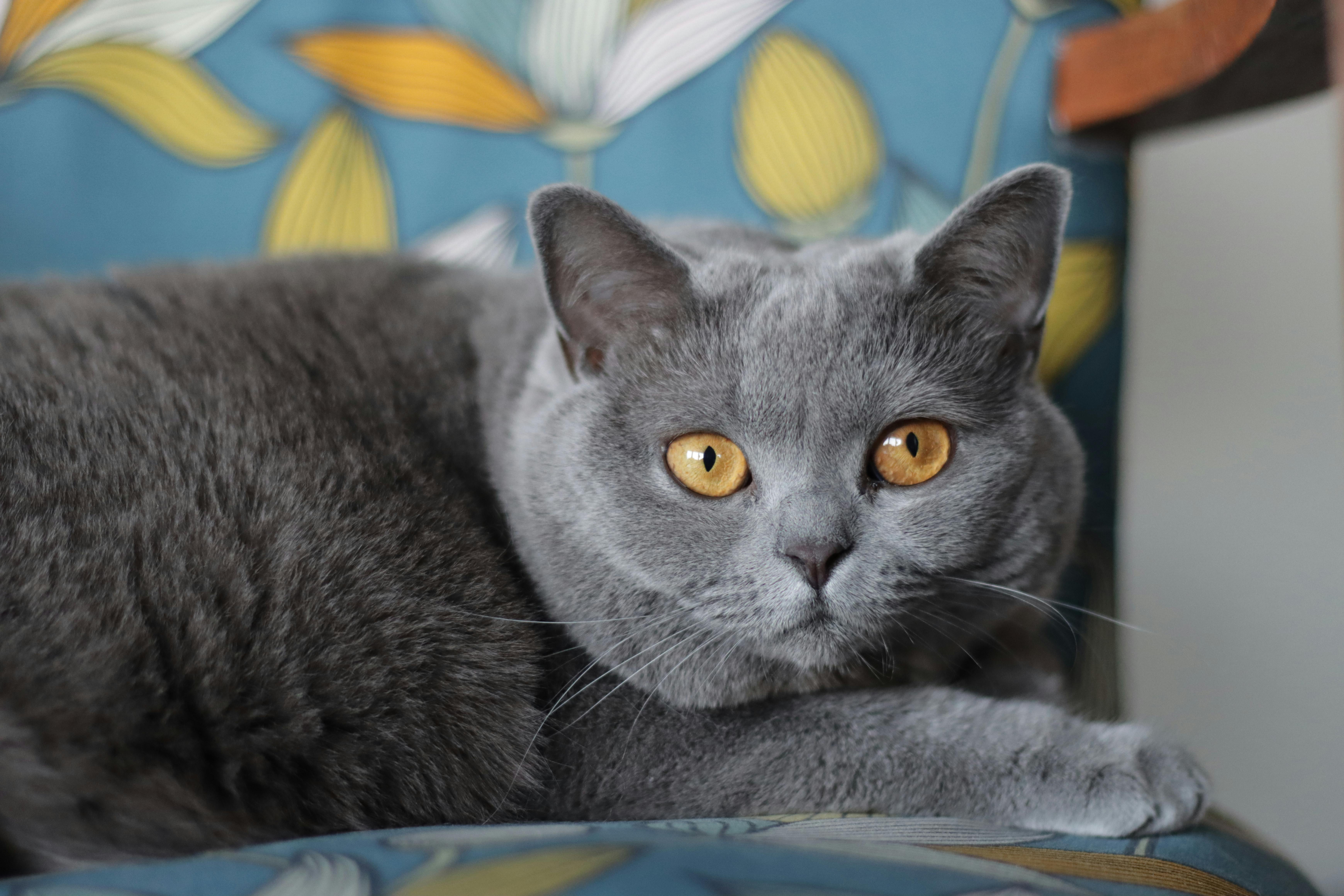
Socialization is key to a happy Russian Blue cat. Here are some ways to enhance your relationship:
- Playtime: Engage your cat in interactive play using toys like feather wands or laser pointers. This helps stimulate their natural hunting instincts and provides exercise.
- Positive Reinforcement: Use treats and praise to reward your cat for good behavior, which helps build trust and encourages bonding.
- Gentle Interaction: Russian Blues may be shy or reserved, especially around new people. Allow them to approach you at their own pace and avoid forcing interaction.
Enrichment: Keeping Your Cat Mentally Stimulated
Enrichment is important for a Russian Blue’s mental well-being. Consider the following ideas:
- Toys: Provide a variety of toys, including puzzle feeders and interactive toys that challenge their intelligence.
- Window Perches: Cats love watching the world outside. A window perch can provide hours of entertainment as they observe birds and other outdoor activities.
- Training: Teach your cat tricks or commands using clicker training. This not only stimulates their mind but also strengthens the bond you share.
Understanding Behavioral Traits
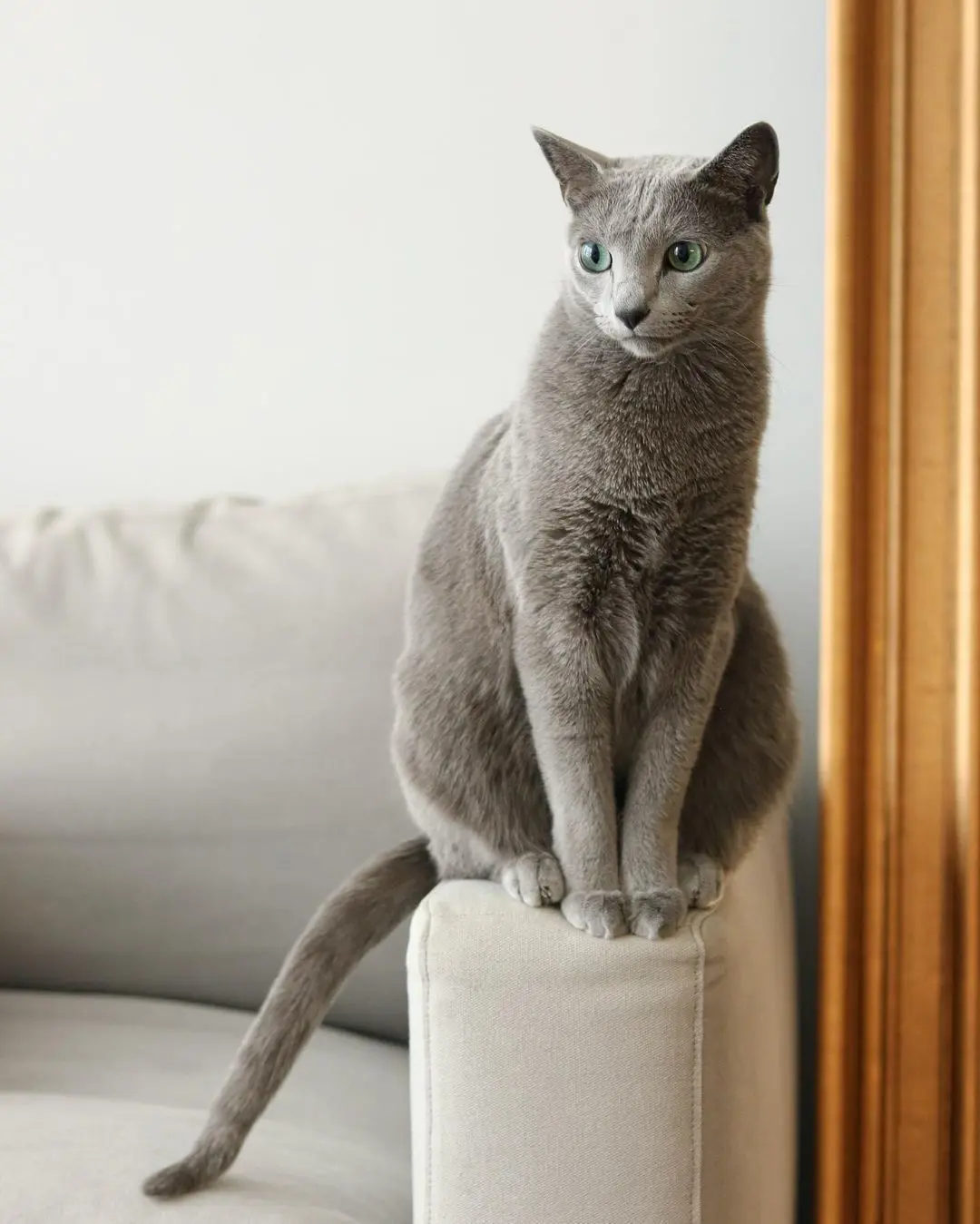
Each Russian Blue cat has its own personality, but there are common behavioral traits you may notice:
- Affectionate: They are known to be loving and form strong bonds with their owners. Expect your Russian Blue to seek out your attention and companionship.
- Curious: Russian Blues are inquisitive by nature. They may enjoy exploring new areas of the home or investigating unusual sounds.
- Playful: Even as adults, Russian Blues retain their playful nature. Regular playtime is important for keeping them happy and healthy.
A Fulfilling Life for Your Russian Blue

Caring for a Russian Blue cat is a rewarding experience that requires commitment and understanding. By providing a comfortable environment, a balanced diet, regular grooming, health care, and socialization, you can ensure your feline friend lives a happy and fulfilling life. Remember that each Russian Blue is unique, and paying attention to their individual needs and preferences will further strengthen your bond. With the right care, your Russian Blue can thrive as a beloved member of your family for many years to come.