B-2 Stealth Bomber Missions: A Look at Its Impact on Modern Warfare
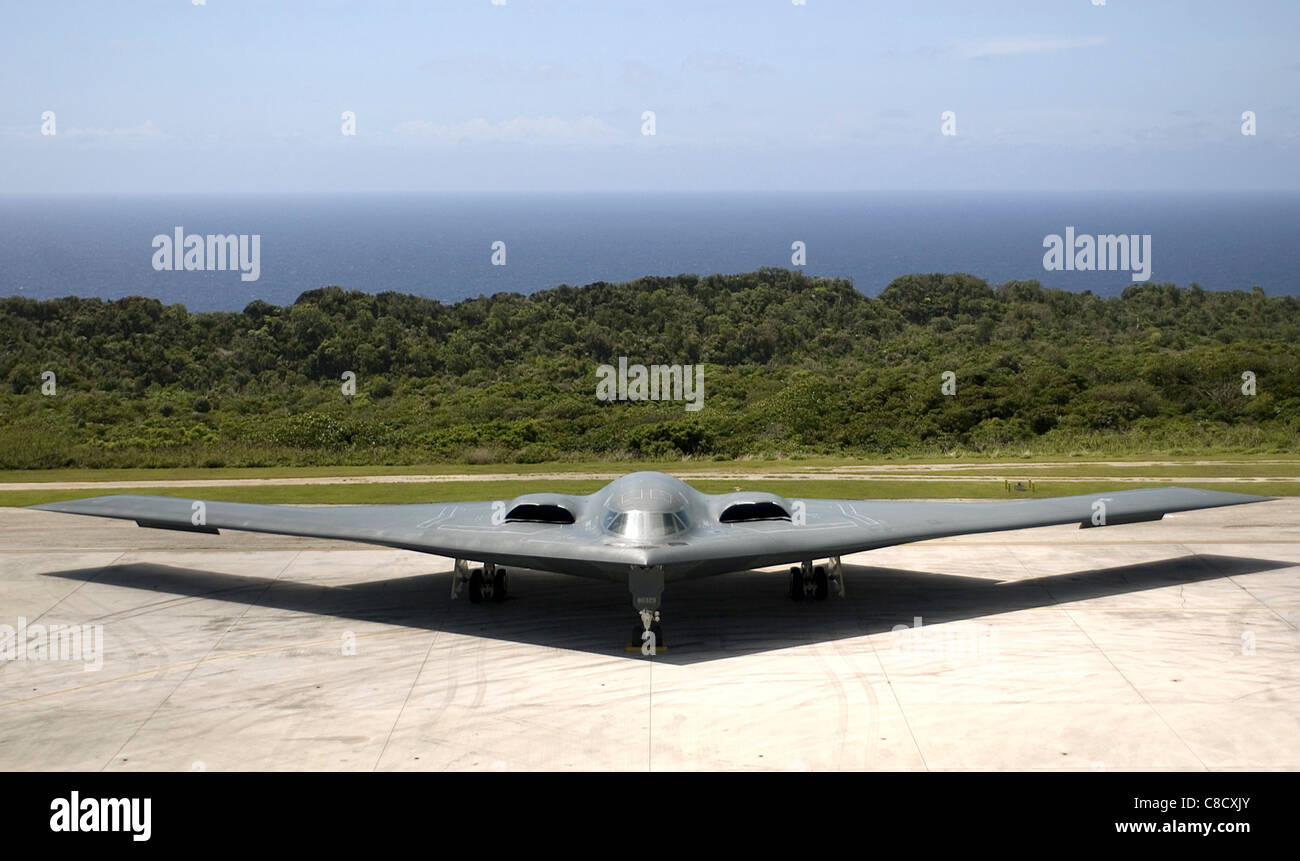
The B-2 Spirit, commonly known as the stealth bomber, represents a significant leap in military aviation technology. Its design and operational capabilities have reshaped modern warfare, allowing for precision strikes while minimizing the risk of detection. This article delves into the missions of the B-2 bomber, its influence on warfare strategies, and its implications for future military operations.
Understanding the B-2 Spirit: A Technological Marvel

Developed by Northrop Grumman, the B-2 Spirit is a heavy bomber featuring stealth technology that allows it to penetrate dense anti-aircraft defenses. Its unique flying wing design reduces its radar cross-section, making it nearly invisible to enemy radar systems. Key features include:
- Stealth Technology: The B-2’s design minimizes reflections of radar waves, allowing it to evade detection.
- Advanced Avionics: Equipped with sophisticated navigation and targeting systems, the bomber can deliver precision strikes from high altitudes.
- Varied Payload Capacity: The B-2 can carry both conventional and nuclear weapons, giving it versatility in mission types.
Historical Missions of the B-2 Spirit
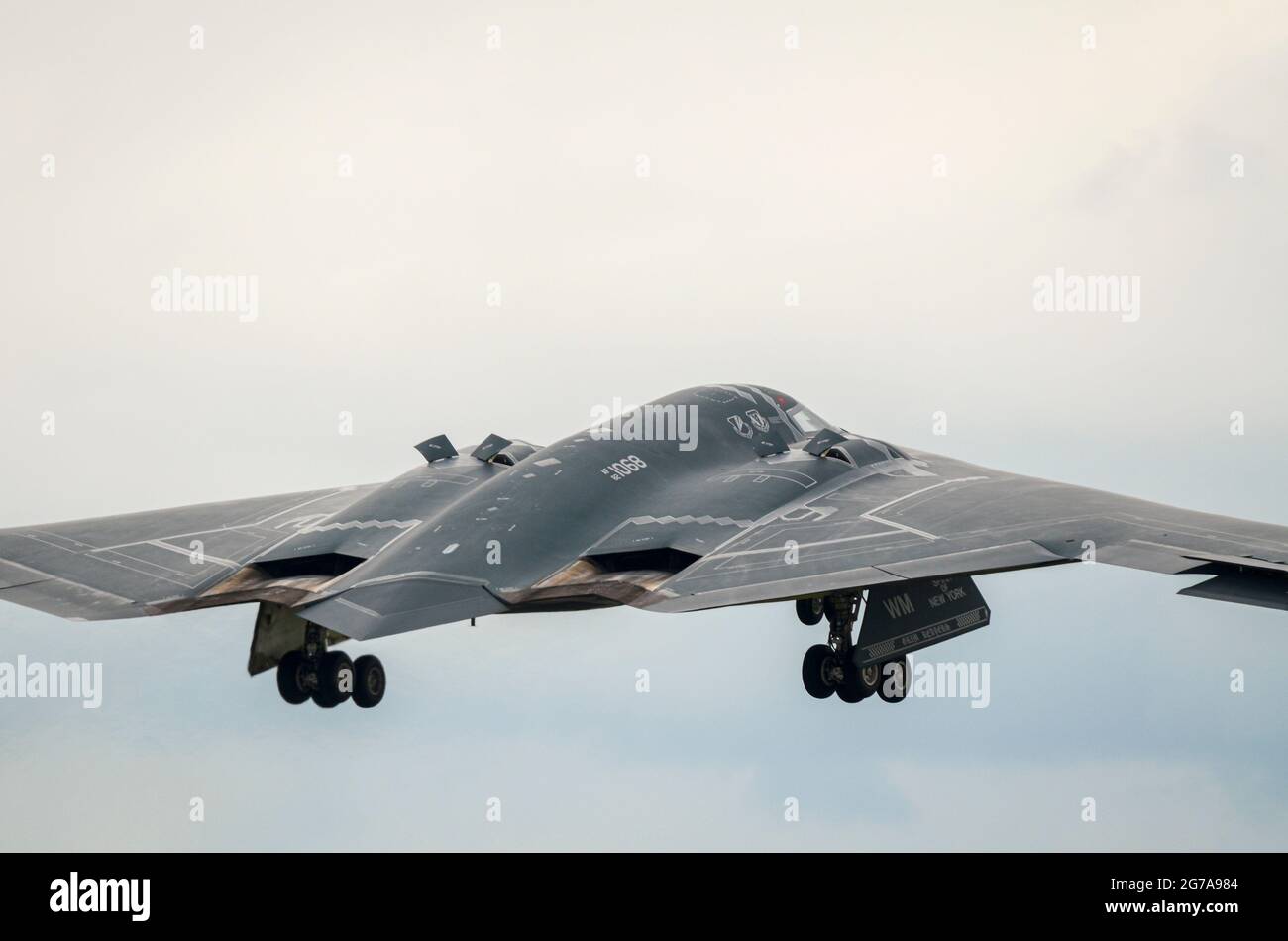
Since its introduction into service in 1997, the B-2 has been involved in several high-profile military operations that highlight its capabilities:
Operation Allied Force (1999)

The B-2 made its combat debut during NATO’s Operation Allied Force in Kosovo. It was pivotal in the campaign against Serbian forces, demonstrating its ability to deliver precision strikes against key targets such as military infrastructure and supply lines. The success of the B-2 in this operation reinforced the bomber’s role in modern air warfare.
Operation Enduring Freedom (2001)
In the wake of the September 11 attacks, the B-2 was deployed in Afghanistan as part of Operation Enduring Freedom. It was instrumental in targeting Taliban strongholds and al-Qaeda training camps. The ability to conduct long-range missions from its home base in Missouri to Afghanistan underscored the strategic advantages the B-2 provided, allowing the U.S. to strike swiftly and effectively without needing forward operating bases.
Operation Iraqi Freedom (2003)
During the initial phases of the Iraq War, the B-2 played a crucial role in the bombing campaign that aimed to incapacitate Iraqi military capabilities. The bomber’s precision guided munitions were used to destroy command and control centers, air defense systems, and other critical infrastructure. The ability to evade detection and deliver payloads with high accuracy showcased the B-2’s relevance in modern combat scenarios.
The Impact of the B-2 on Modern Warfare
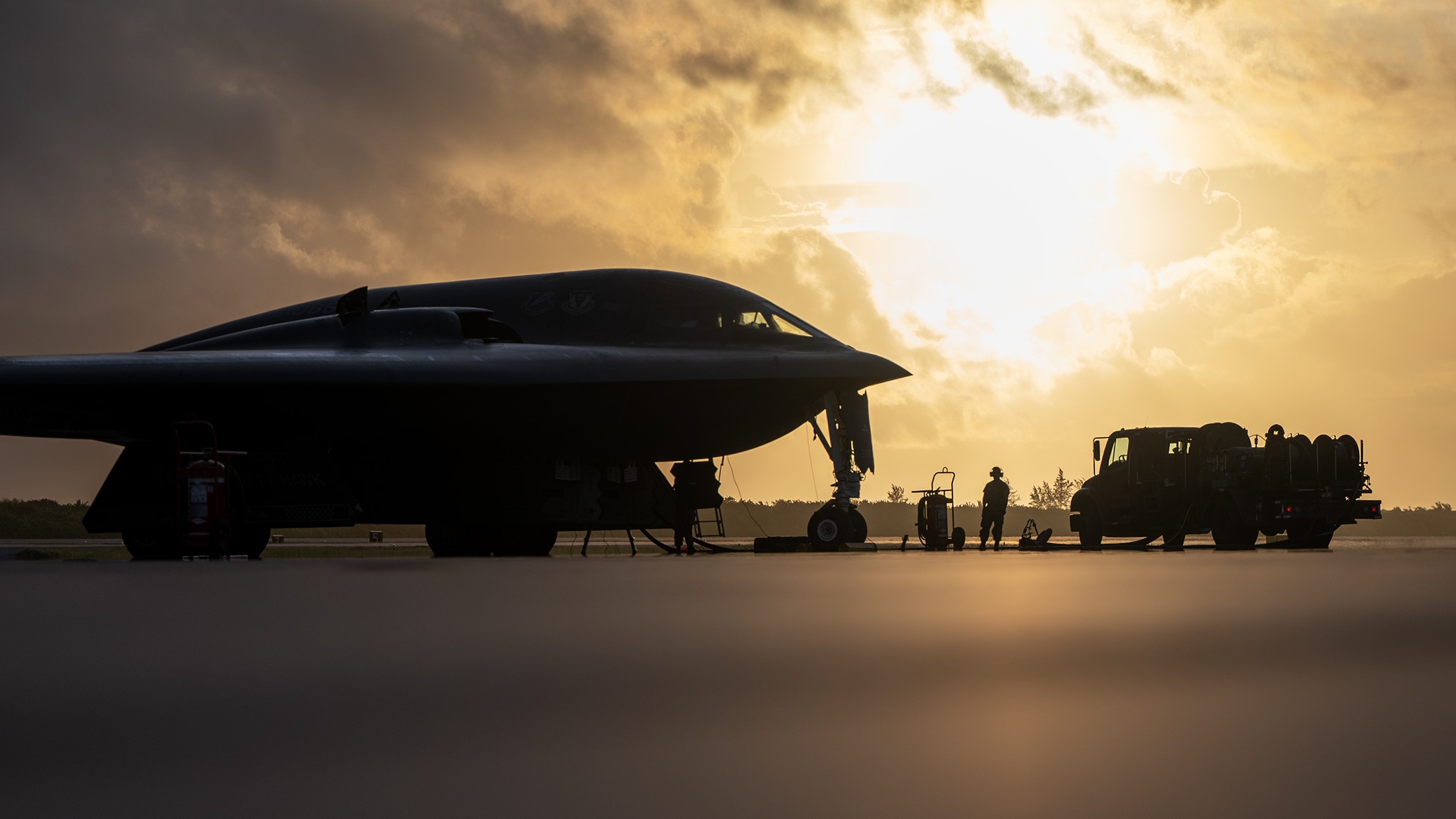
The operational history of the B-2 Spirit has had profound implications for military strategy and tactics. Here are some key areas where its influence is evident:
1. Precision Warfare
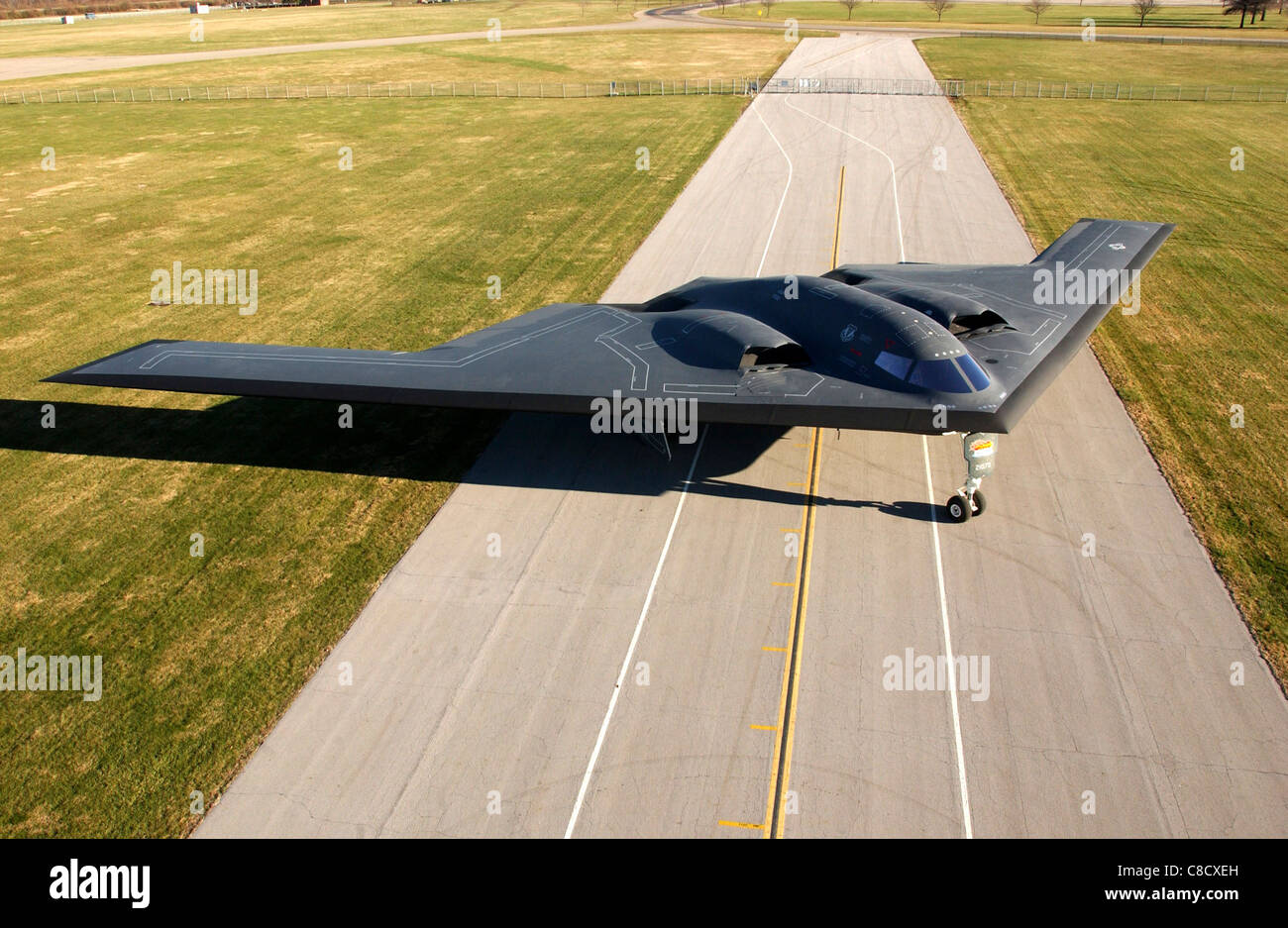
The B-2 has changed the paradigm of warfare from mass bombing campaigns to precision strikes. This shift has led to:
- Minimized Collateral Damage: The B-2’s ability to deliver precision-guided munitions reduces unintended civilian casualties.
- Targeted Operations: Militaries can focus on high-value targets instead of broad swathes of territory.
- Increased Operational Efficiency: The capability to conduct long-range missions with fewer aircraft has streamlined military operations.
2. Stealth Technology and Anti-Access/Area Denial (A2/AD)
The B-2’s stealth capabilities have influenced how military planners approach air superiority and enemy defenses. As nations develop advanced A2/AD systems, the role of stealth bombers becomes increasingly critical:
- Challenging Traditional Defenses: The B-2 can bypass sophisticated radar and missile systems, allowing it to strike deep within enemy territory.
- Strategic Deterrence: The presence of stealth bombers serves as a deterrent to potential adversaries who may consider aggressive actions.
- Inspiring Technological Advancements: Other nations are investing in their stealth capabilities in response to the effectiveness of the B-2.
3. Psychological Warfare
The mere existence of the B-2 Spirit has implications beyond its physical capabilities. Its use in conflict has psychological impacts:
- Intimidation: The stealth bomber’s ability to strike without warning instills fear in adversaries.
- Public Perception: High-profile missions can shape public opinion and bolster the resolve of allied nations.
- Negotiation Leverage: The military might represented by the B-2 can strengthen diplomatic positions in international negotiations.
Future of the B-2 Spirit
As military technology continues to evolve, the future of the B-2 Spirit remains a subject of interest and debate. Although it is expected to remain operational for several more years, its role may shift as newer technologies emerge:
- Integration with Emerging Technologies: Future missions may integrate the B-2 with drones and unmanned systems to enhance operational capabilities.
- Replacement by Next-Gen Bombers: The B-21 Raider is set to succeed the B-2, promising improved stealth and capabilities.
- Adaptation to Hybrid Warfare: The B-2 may need to adapt to new forms of warfare that blend conventional and asymmetric tactics.
The B-2 Spirit stealth bomber has undeniably transformed modern warfare through its advanced technology and operational versatility. From its successful missions in Kosovo, Afghanistan, and Iraq to its enduring influence on military strategy, the B-2 has set new standards for aerial combat. As we look to the future, the lessons learned from the B-2’s deployment will continue to inform military practices and technological advancements. The impact of the B-2 Spirit on modern warfare is profound and will resonate in military strategy for years to come, underscoring the ongoing evolution of combat in an increasingly complex global landscape.