Understanding the Economics Behind the B-2 Bomber’s Price
The B-2 Spirit, a stealth bomber developed by Northrop Grumman, is one of the most recognizable aircraft in the United States Air Force (USAF). Its unique design, advanced technology, and strategic capabilities come with a staggering price tag. In this article, we will explore the economics behind the B-2 bomber’s price, examining factors such as development costs, production expenses, operational expenditures, and the broader implications of such investments in military technology.
The Development Costs of the B-2 Bomber
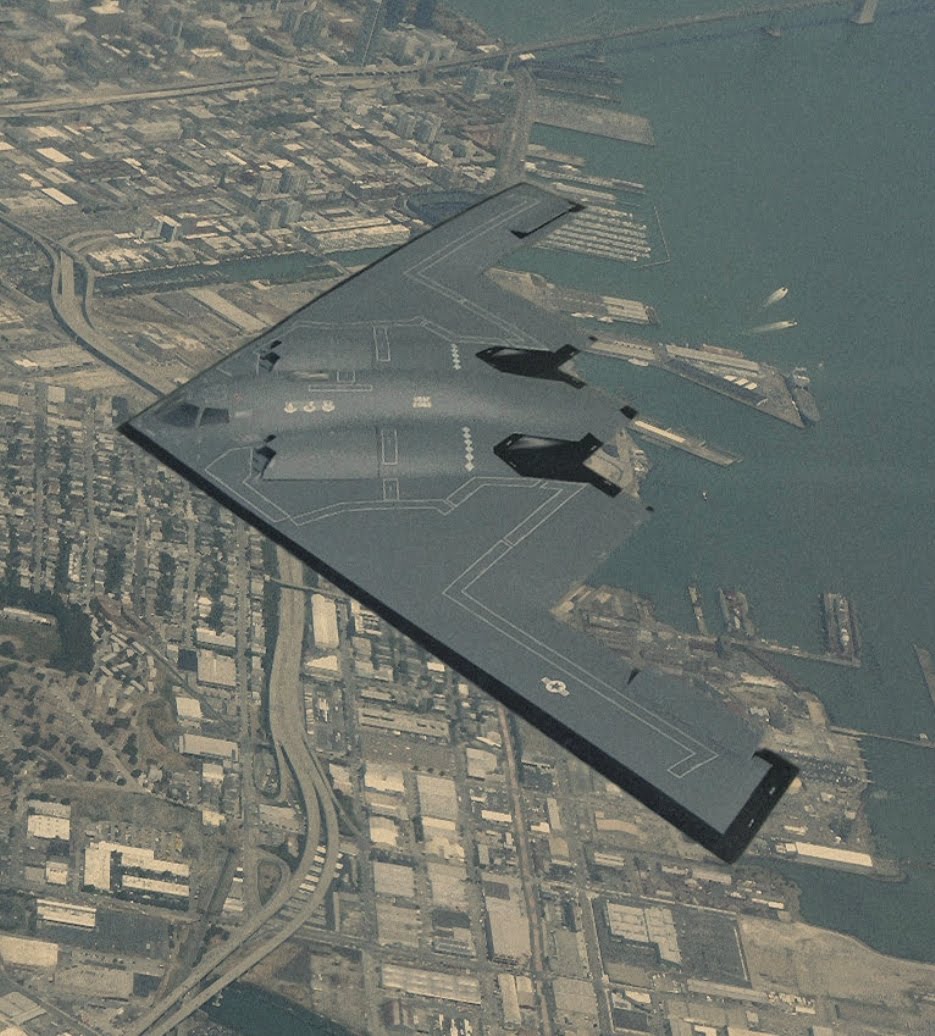
The B-2 bomber’s development costs are a significant component of its overall price. The aircraft was developed during the Cold War, with the first flight occurring in 1989. The total cost of the B-2 program, including research and development, is estimated to be around $44 billion.
- Research and Development (R&D): R&D for the B-2 involved cutting-edge technology, including stealth capabilities, advanced avionics, and precision strike capabilities. The investment in R&D was essential for creating an aircraft that could penetrate sophisticated enemy air defenses.
- Technological Innovations: The B-2 incorporates several groundbreaking technologies, including radar-absorbing materials and a highly efficient flying wing design that contributes to its stealth capabilities.
- Cost Overruns: As with many advanced military projects, the B-2 program experienced significant cost overruns and delays, which further inflated the overall development expenses.
Production Expenses of the B-2 Bomber

The production costs of the B-2 bomber reflect not only the technological complexity of the aircraft but also the limited number of units produced. Only 21 B-2 bombers were ultimately manufactured, contributing to the high per-unit cost.
- Unit Cost: The unit cost of the B-2 is approximately $737 million, making it one of the most expensive military aircraft in history. This high cost can be attributed to several factors:
- Limited production runs lead to higher costs per unit due to fixed costs being spread over fewer aircraft.
- The specialized materials and advanced manufacturing processes required for stealth technology are expensive.
Operational Expenditures
Beyond development and production costs, the operational expenditures associated with the B-2 bomber are substantial. These costs include maintenance, training, and fuel expenses, all of which contribute to the overall economics of operating such an advanced aircraft.
- Maintenance Costs: The B-2 requires specialized maintenance due to its complex systems and stealth features. Estimates suggest that the maintenance cost per flight hour can exceed $20,000.
- Training Costs: Pilots and crew require extensive training to operate the B-2. This training is time-consuming and costly, further adding to the operational budget.
- Fuel Efficiency: While the B-2 is designed for long-range missions, the fuel costs can be significant. However, its ability to strike targets with precision can reduce the need for multiple sorties, providing some operational cost efficiency.
The Economic Justification for the B-2 Bomber

Despite its high costs, the B-2 bomber serves vital strategic roles that justify its expense. Understanding the economic justification for such an investment involves examining the broader context of national defense and military strategy.
- Deterrence: The presence of the B-2 bomber in the USAF’s arsenal serves as a deterrent against potential adversaries. Its ability to penetrate air defenses and deliver conventional or nuclear payloads ensures that the U.S. can project power globally.
- Strategic Flexibility: The B-2 enhances the U.S. military’s ability to conduct a variety of missions, from conventional bombing to special operations support. This versatility increases its value in an unpredictable global landscape.
- Technological Leadership: Investing in advanced military technology, such as the B-2, helps maintain the U.S.’s technological edge over potential adversaries, contributing to national security.
Case Studies: B-2 Bomber Utilization

Examining specific instances where the B-2 bomber has been deployed provides insight into its economic and strategic impact. Notable operations include:
- Operation Allied Force (1999): During the Kosovo War, B-2 bombers were used to strike high-value targets while minimizing collateral damage. Their stealth capabilities allowed them to operate in heavily defended airspace, showcasing their effectiveness and justifying their high costs.
- Operation Enduring Freedom (2001): The B-2 played a crucial role in the initial stages of the Afghanistan conflict, delivering precision strikes against Taliban and Al-Qaeda targets. This operation highlighted the aircraft’s ability to deliver significant military power quickly and efficiently.
Comparative Analysis: B-2 Bomber vs. Other Military Aircraft
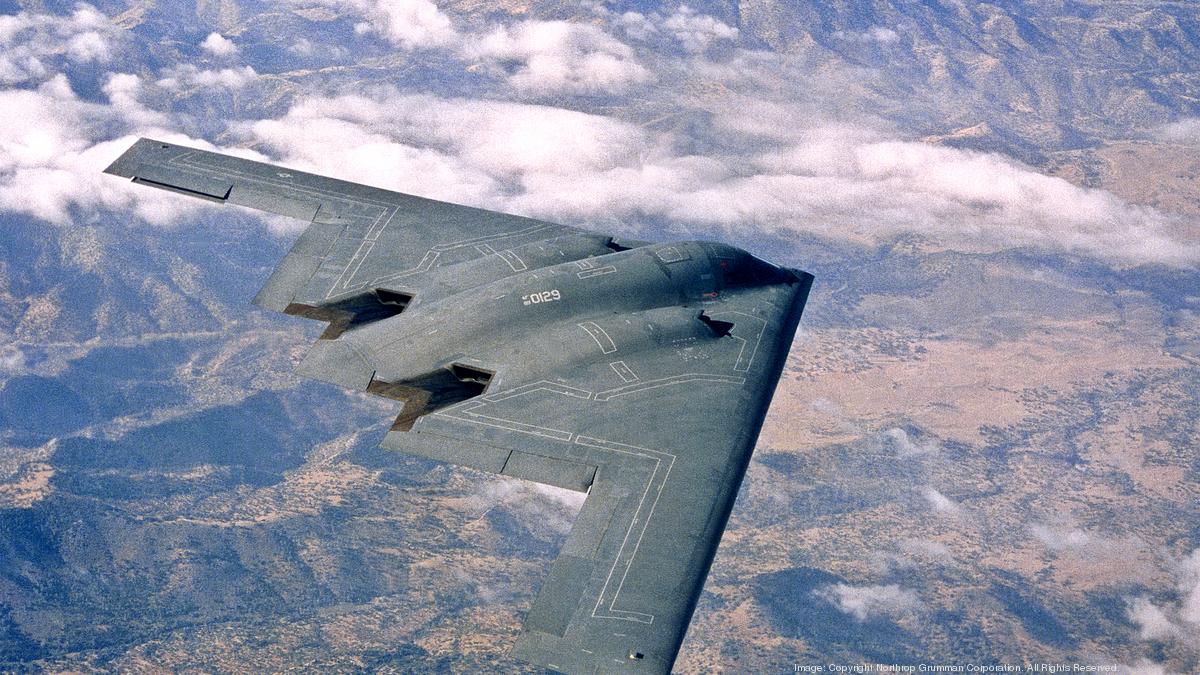
To understand the B-2 bomber’s economics, it is helpful to compare it to other military aircraft in terms of cost, capabilities, and strategic value.
- F-35 Lightning II: The F-35, another advanced military aircraft, also comes with high development and production costs. However, its versatility as a multi-role fighter may provide broader applications, potentially justifying its costs differently compared to the B-2.
- B-1 Lancer: The B-1 bomber is less expensive than the B-2 and can carry a larger payload. However, it lacks the stealth capabilities that make the B-2 invaluable in contested environments.
- Global Strike Capability: The B-2’s unique role in the U.S. nuclear triad ensures its place in the military hierarchy, despite its costs, making it an irreplaceable asset in the context of strategic deterrence.
The Future of the B-2 Bomber

As technology continues to evolve, the future of the B-2 bomber remains a subject of discussion. While the aircraft has proven its capabilities, there are considerations for its continued operation and potential replacement.
- Replacement Programs: The B-21 Raider is currently in development as a successor to the B-2. This new aircraft aims to incorporate lessons learned from the B-2 while addressing its limitations in a rapidly changing threat landscape.
- Longevity of the B-2: Current projections suggest that the B-2 will remain in service until the late 2030s, requiring ongoing investment in maintenance and upgrades to keep it operationally relevant.
The B-2 bomber represents a significant investment in military technology, with its high price tag reflecting a complex interplay of development, production, and operational costs. While its financial implications are substantial, the aircraft’s strategic value in deterrence, power projection, and technological leadership cannot be understated. As the USAF looks toward the future, the lessons learned from the B-2 program will undoubtedly influence the development of next-generation aircraft, ensuring that the United States maintains its edge in an increasingly volatile global landscape. The economics of the B-2 bomber, therefore, extend beyond mere numbers; they encompass a broader narrative of national security, technological advancement, and strategic foresight.