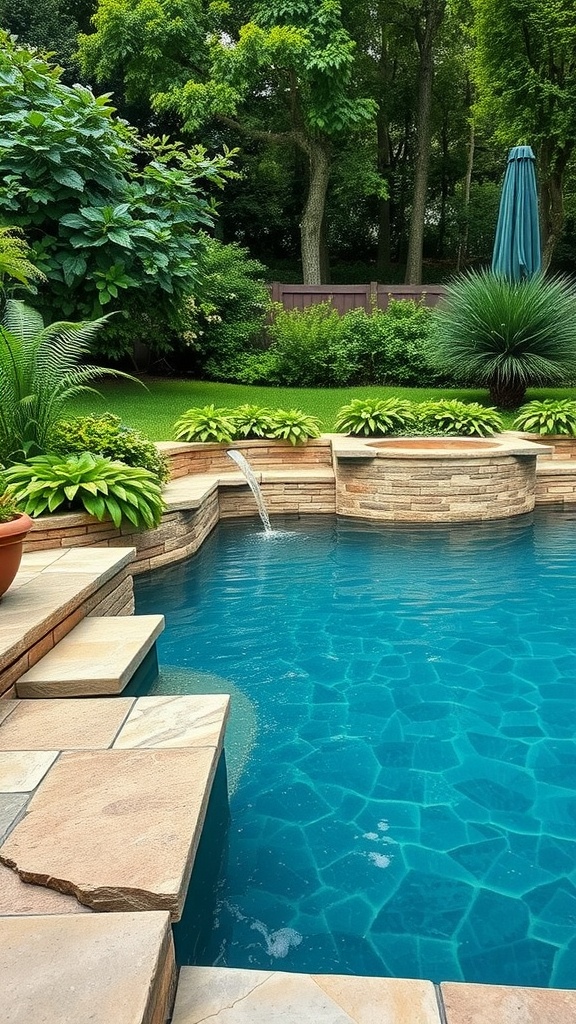
Creative Pavers Around Pool Ideas to Transform Your Backyard
When designing the perfect outdoor oasis, the area around your pool plays a crucial role in both aesthetics and functionality. Pavers around pool ideas can elevate your backyard from ordinary to extraordinary, offering a slip-resistant surface that withstands constant exposure to water, sun, and foot traffic. Whether you’re building a new pool or renovating an existing one, choosing the right paver material and layout is essential. This guide explores a variety of paver options, design patterns, and installation tips to help you create a stunning pool deck that complements your home and lifestyle.
1. Why Choose Pavers for Your Pool Deck?
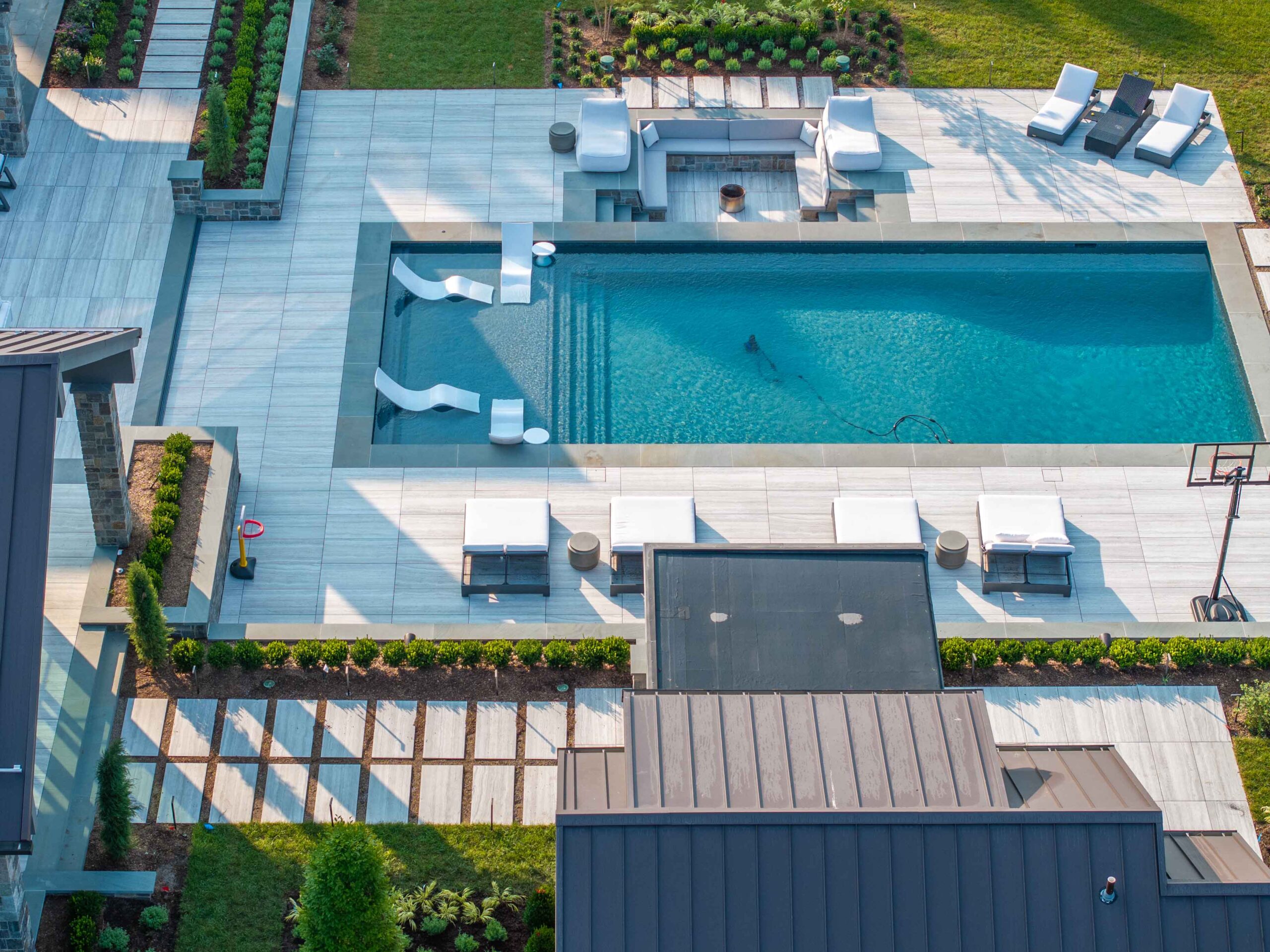
Pavers are a popular choice for pool surrounds because of their durability, versatility, and safety. Unlike poured concrete, pavers are less likely to crack due to ground movement, and they can be easily replaced if damaged. Their textured surface provides excellent slip resistance, even when wet, reducing the risk of accidents. Additionally, pavers come in a wide range of colors, shapes, and materials, allowing you to achieve any look from modern to rustic. They also stay cooler underfoot compared to dark surfaces, making them comfortable during hot summer days. With proper installation, paver pool decks can last for decades with minimal maintenance.
2. Popular Paver Materials for Pool Areas
Selecting the right material is the first step in bringing your pavers around pool ideas to life. Each material offers unique benefits and aesthetic appeal.
Travertine Pavers
Travertine is a natural stone that remains cool to the touch, even in direct sunlight, making it ideal for pool decks. Its porous surface provides excellent traction, and its warm, earthy tones create a luxurious, Mediterranean feel. Sealed travertine resists staining and can handle harsh weather conditions.
Concrete Pavers
Concrete pavers are affordable and highly customizable. They come in countless shapes, sizes, and colors, and can mimic the look of stone, brick, or wood. Modern concrete pavers can be textured for slip resistance and are durable enough to support heavy furniture.
Porcelain Pavers
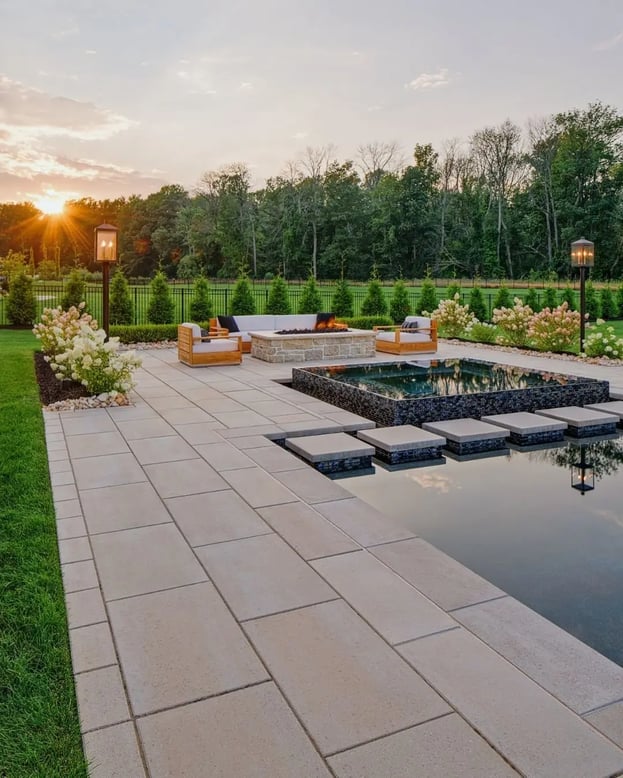
Porcelain pavers are a sleek, low-maintenance option that resists fading, staining, and moisture absorption. They are extremely durable and can imitate natural stone or wood. Their non-porous surface makes them resistant to mold and mildew, and they stay cool underfoot.
Brick Pavers
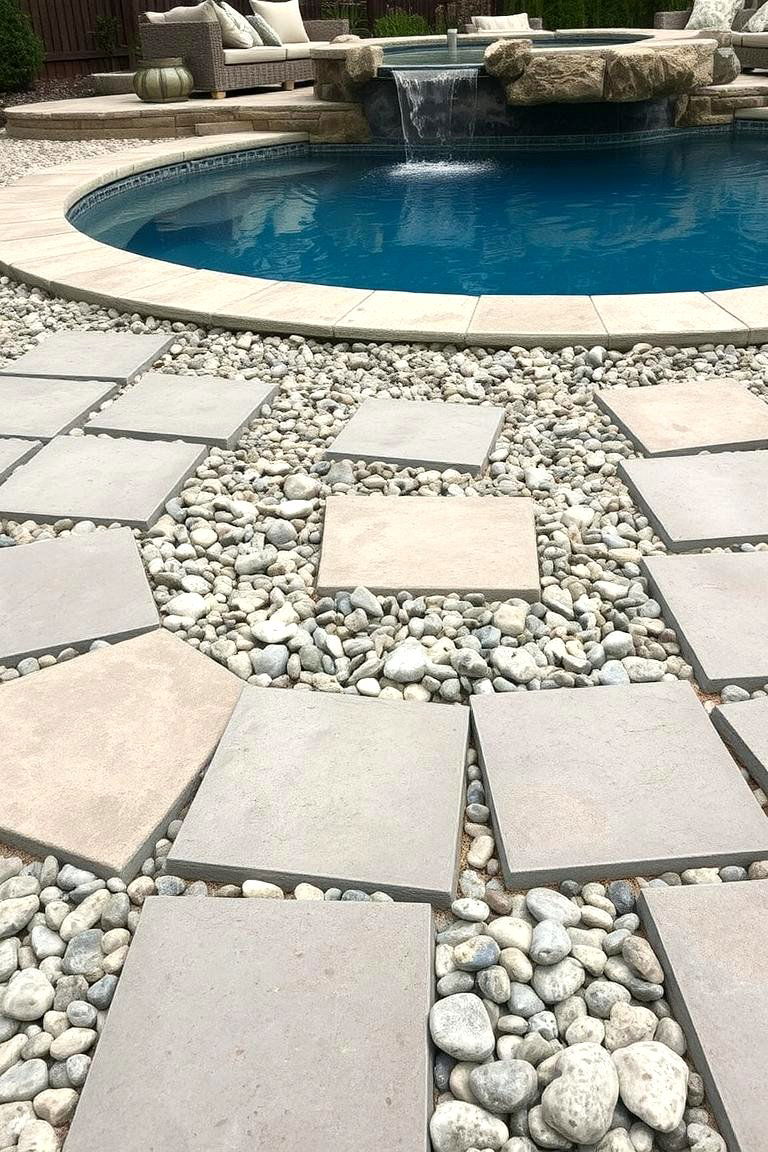
Brick pavers offer a classic, timeless look that blends well with traditional landscaping. They are slip-resistant, easy to repair, and age beautifully. However, bricks can absorb heat, so lighter colors are recommended for pool areas.
3. Design Patterns and Layouts
The pattern you choose can dramatically affect the overall appearance of your pool deck. Here are some popular layouts to consider for your pavers around pool ideas.
Herringbone Pattern
The herringbone pattern creates a dynamic, interlocking design that adds visual interest. It works well with rectangular pavers and provides excellent stability, making it suitable for high-traffic areas.
Running Bond Pattern
This staggered pattern is simple and elegant, often used with brick or rectangular stone. It creates a sense of movement and can make a small pool area appear larger.
Basket Weave Pattern
Inspired by woven fabric, the basket weave pattern pairs two pavers perpendicularly to form a square. This pattern adds texture and a touch of sophistication, ideal for formal settings.
Random Ashlar Pattern
For a natural, organic look, the random ashlar pattern uses stones of varying sizes and shapes. This layout mimics ancient stonework and blends seamlessly with lush landscaping.
4. Color and Texture Considerations
Color and texture are critical to achieving the desired ambiance around your pool. Lighter pavers reflect sunlight, keeping the deck cooler, while darker hues absorb heat and may become uncomfortably hot. Soft, neutral tones like beige, gray, and taupe are popular for their versatility and ability to complement any pool water color. For a bold statement, consider contrasting borders or inlays. Texture is equally important for safety; choose pavers with a brushed, tumbled, or textured finish to prevent slips. Avoid highly polished surfaces near water.
5. Incorporating Borders and Accents
Adding borders and accent pieces can elevate your paver design from basic to extraordinary. Use a different color or shape to frame the pool deck, create pathways, or highlight seating areas. Rope borders, soldier courses, or decorative medallions can serve as focal points. For a cohesive look, match accent pavers with your home’s exterior or landscaping features. Incorporating LED strip lights within the paver joints or using glow-in-the-dark pavers can also enhance nighttime aesthetics and safety.
6. Installation Tips for Long-Lasting Results
Proper installation is key to ensuring your pavers around pool ideas stand the test of time. Start with a solid base of compacted gravel and sand to prevent settling. Use a polymeric sand in the joints to lock pavers in place and inhibit weed growth. For pool decks, consider a slight slope away from the pool for drainage. Always hire a professional installer with experience in pool-side paver applications, as they understand the specific requirements for water runoff, edge restraints, and waterproofing. Sealing the pavers after installation helps protect against stains, UV rays, and moisture.
7. Maintenance and Care
Maintaining your paver pool deck is relatively easy. Regularly sweep or blow off debris to prevent stains. For deeper cleaning, use a pressure washer on a low setting or a mild detergent. Reseal the pavers every two to three years to preserve their color and integrity. Inspect the joints periodically and refill with polymeric sand if needed. Address any weeds or ants promptly to avoid shifting. With consistent care, your paver deck will remain beautiful and functional for years.
Frequently Asked Questions
What is the best paver material for around a pool?
Travertine and porcelain are top choices because they stay cool, are slip-resistant, and durable. However, concrete pavers offer more design flexibility at a lower cost.
Do pavers get too hot to walk on?
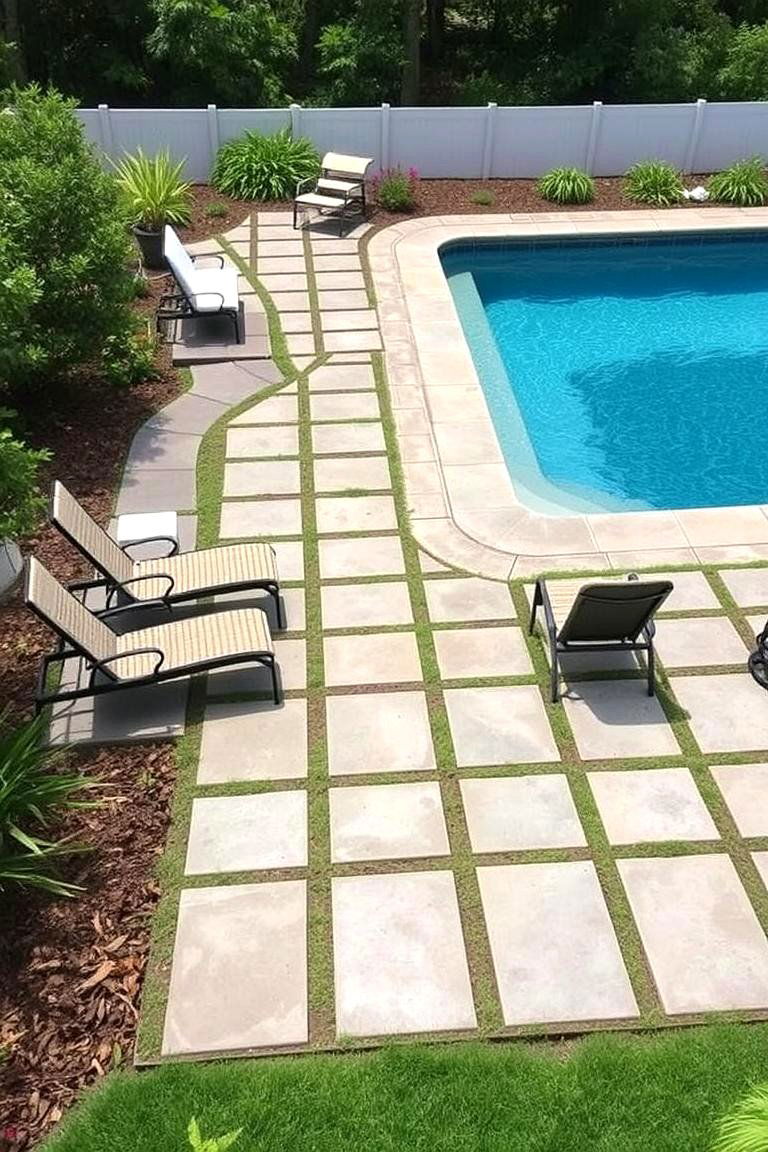
Lighter-colored pavers and natural stone like travertine stay cooler. Darker materials can become hot, so choose light shades for areas exposed to direct sunlight.
How do I prevent weeds from growing between pavers?
Use polymeric sand in the joints, which hardens when wet and blocks weed growth. Proper installation and occasional resealing help maintain the barrier.
Can I install pavers over an existing concrete pool deck?
Yes, but the concrete must be in good condition with proper drainage. A thin-set mortar or pedestal system can be used. Consult a professional to assess feasibility.
How long do paver pool decks last?
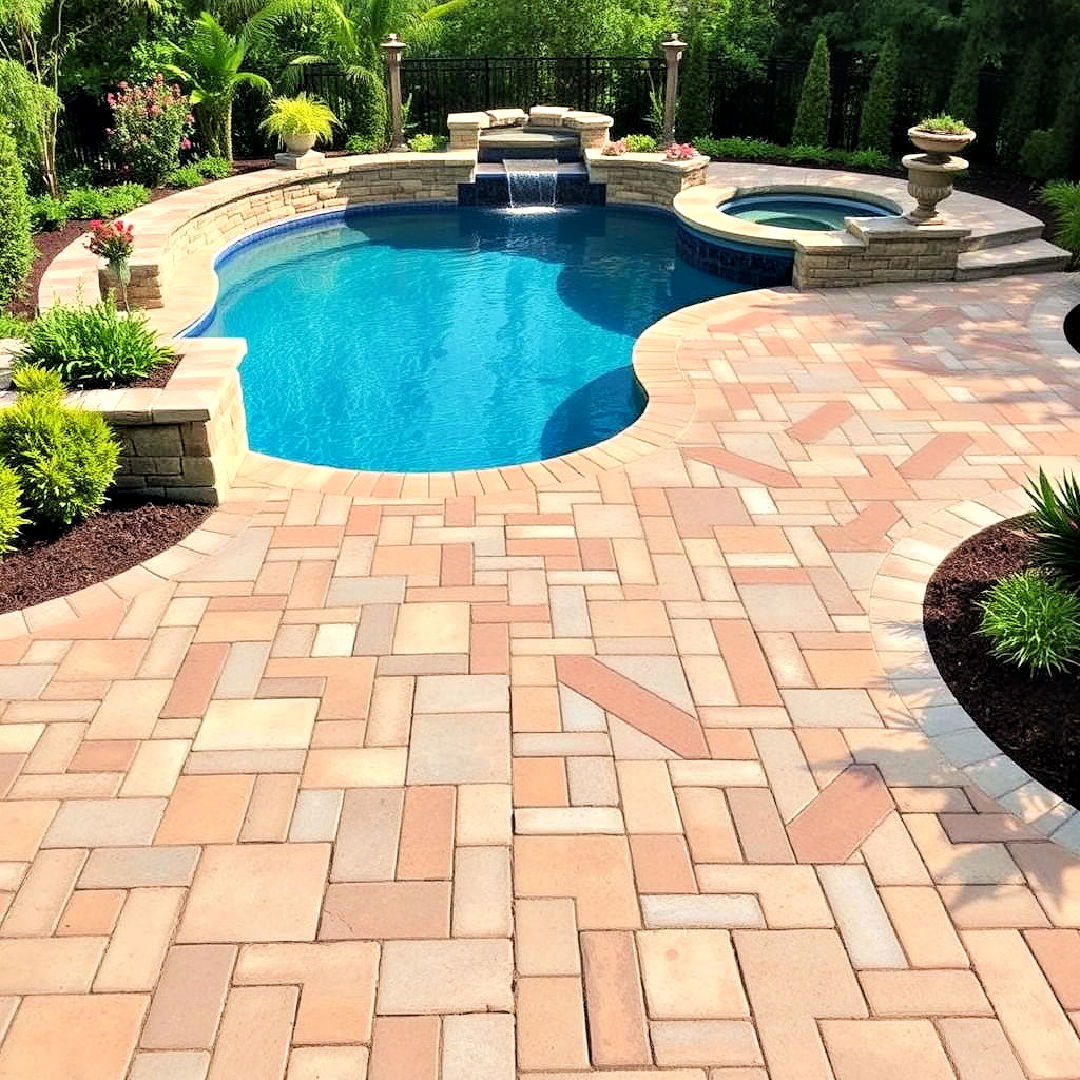
With proper installation and maintenance, a paver pool deck can last 20-30 years or more. Individual pavers can be replaced if damaged, extending the overall lifespan.
Transforming your pool area with the right pavers is an investment in both beauty and functionality. By considering materials, patterns, colors, and professional installation, you can create a safe, durable, and visually appealing deck that enhances your outdoor living experience. Whether you prefer the natural elegance of travertine or the versatility of concrete, these pavers around pool ideas provide a solid foundation for your dream backyard. Start planning today and enjoy a poolside paradise for years to come.