Joachim Trier, a prominent Norwegian filmmaker, has garnered attention and acclaim for his distinctive narrative style and exploration of the human condition. His films delve into themes of existentialism, identity, and the complexities of relationships, rendered through a lens that is both intimate and universal. This article aims to explore Trier’s cinematic world, examining his unique storytelling techniques, notable films, and the cultural significance of his work.
The Artistic Vision of Joachim Trier

Trier’s films are characterized by a thoughtful blend of realism, emotional depth, and innovative storytelling. He often focuses on the lives of young adults grappling with their identities and the pressures of modern life. His work stands out for its:
- Intimate Character Studies: Trier’s protagonists are often complex, reflecting the struggles of navigating adulthood.
- Realistic Dialogue: The conversations in his films feel genuine, capturing the nuances of human interaction.
- Visual Aesthetics: Trier employs striking cinematography that enhances the emotional weight of his narratives.
In an industry often dominated by formulaic storytelling, Trier’s commitment to authentic experiences sets him apart as a unique voice in contemporary cinema.
A Deep Dive Into Trier’s Notable Works

Joachim Trier has directed several acclaimed films, each contributing to his reputation as a masterful storyteller. Below are some of his most significant works:
1. Reprise (2006)

Trier’s debut feature film, “Reprise,” is a semi-autobiographical exploration of two aspiring writers. The film’s nonlinear narrative structure allows the audience to delve into the minds of its characters, showcasing their ambitions and vulnerabilities. Key themes include:
- The Pressure of Success: The film examines the intense expectations placed on young artists.
- Friendship and Rivalry: It navigates the complexities of relationships that are both supportive and competitive.
- The Fragility of Mental Health: Trier addresses the impact of mental illness on creativity and personal relationships.
“Reprise” was well-received, winning awards at the Cannes Film Festival and solidifying Trier’s place in international cinema.
2. Oslo, August 31st (2011)
In “Oslo, August 31st,” Trier presents a poignant story of a recovering addict, Anders, who confronts his past during a day in Oslo. The film’s exploration of themes such as:
- Redemption and Regret: Anders seeks forgiveness and grapples with his choices.
- Isolation: The film captures the alienation felt by those wrestling with addiction.
- Beauty in the Mundane: Trier’s cinematography transforms Oslo into a character of its own, reflecting Anders’ internal struggles.
This film was highlighted for its emotional honesty and the raw performance of its lead actor, Anders Danielsen Lie, making it a significant entry in Trier’s filmography.
3. Louder Than Bombs (2015)

“Louder Than Bombs” marks Trier’s first English-language film, featuring a star-studded cast including Isabelle Huppert, Jesse Eisenberg, and Gabriel Byrne. The film explores the impact of a deceased mother on her family, dealing with themes of:
- Grief: It examines how loss can fracture familial bonds.
- Memory and Perception: The differing perspectives on the mother’s life and legacy create a rich tapestry of narrative.
- Communication: The film highlights the struggle to express emotions within a family dynamic.
Critics praised Trier for his ability to navigate complex emotional landscapes while maintaining a visually arresting style.
4. The Worst Person in the World (2021)

Perhaps Trier’s most celebrated work to date, “The Worst Person in the World” follows a young woman, Julie, as she navigates love, career, and the search for identity in contemporary Oslo. The film is notable for its:
- Relatable Protagonist: Julie embodies the uncertainties faced by many young adults today.
- Innovative Structure: The film is divided into twelve chapters, each offering a glimpse into different stages of her life.
- Humor and Heartache: Trier masterfully balances comedic moments with profound emotional depth.
The film received critical acclaim, winning the Best Actress award at the Cannes Film Festival for Renate Reinsve’s performance and earning an Academy Award nomination for Best International Feature Film.
Thematic Concerns in Trier’s Works
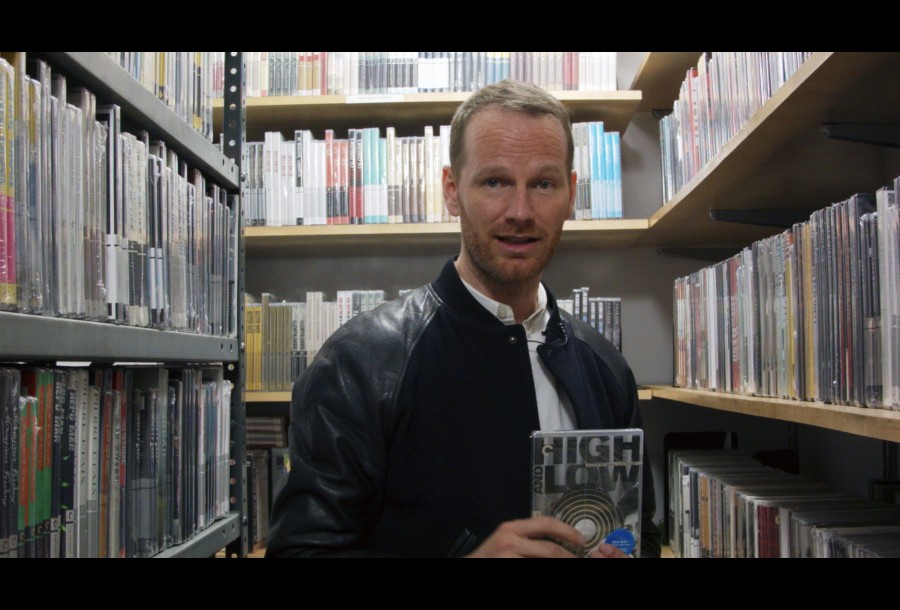
Throughout his filmography, Trier explores several recurring themes that resonate with audiences worldwide. These include:
- The Search for Identity: Many of Trier’s characters are on a quest to understand themselves amidst societal pressures.
- The Influence of Technology: His films often reflect on how technology shapes relationships and communication.
- The Weight of Expectations: Trier highlights the burdens placed on individuals by family, society, and self.
Cultural Impact and Legacy
Joachim Trier’s films are not only significant in the context of Norwegian cinema but also have made a mark on the global stage. His work has been influential in several ways:
- Raising Awareness: Trier’s exploration of mental health issues contributes to broader discussions about addiction and recovery.
- Fostering International Collaboration: His move to English-language films has opened doors for Norwegian cinema in the global film industry.
- Inspiring Emerging Filmmakers: Trier’s unique storytelling has inspired a new generation of filmmakers to explore personal narratives and realistic portrayals of life.
Joachim Trier’s cinematic world is a rich tapestry of human experience, characterized by a keen understanding of the struggles and triumphs of life. His films resonate with audiences through their emotional honesty, innovative storytelling, and relatable characters. By exploring themes of identity, mental health, and relationships, Trier has established himself as a significant voice in contemporary cinema.
As he continues to create and inspire, his impact on the film industry will undoubtedly grow, leaving a legacy that encourages both viewers and filmmakers to seek authenticity in storytelling. Whether through the lens of a struggling writer, a recovering addict, or a complex young woman navigating adulthood, Trier’s work remains a profound exploration of what it means to be human.