Joachim Trier is a prominent Norwegian director known for his distinctive storytelling that delves into the complexities of human emotions and relationships. His films often blend realism with a touch of existentialism, creating rich narratives that resonate with audiences. This article will explore the sentimental value in Trier’s cinematic universe, examining the themes, character development, and emotional depth that define his work.
The Essence of Sentimentality in Trier’s Films
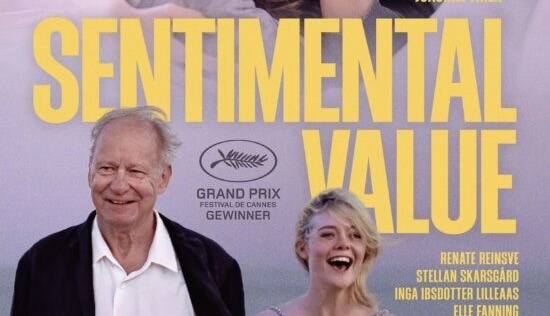
Sentimentality in cinema often relates to the emotional resonance a film has with its audience. In Trier’s films, this sentimentality is intricately woven into the narrative fabric through relatable characters, poignant themes, and a keen observation of human experiences. Trier’s ability to evoke emotions is one of the cornerstones of his cinematic philosophy.
Relatable Characters as Vessels of Emotion
One of the most striking elements of Trier’s films is his focus on character development. His characters are often flawed, vulnerable, and deeply human, providing a mirror to the audience’s own experiences. Some notable examples include:
- “Reprise” (2006): The film follows two aspiring writers, exploring themes of ambition, mental health, and friendship. The characters’ struggles with identity and success create an emotional connection with viewers.
- “Oslo, August 31st” (2011): This film revolves around Anders, a recovering addict, who struggles with his past and the desire to belong. His journey elicits empathy as he navigates feelings of isolation and despair.
- “The Worst Person in the World” (2021): Julie, a young woman grappling with her identity and relationships, resonates with audiences through her relatable dilemmas and existential crises.
These characters not only drive the narrative but also serve as vehicles for the audience to explore their own feelings and experiences. Trier’s nuanced portrayal of human flaws encourages viewers to engage empathetically with the characters’ journeys.
Thematic Depth and Emotional Resonance
Another critical aspect of sentimentality in Trier’s films is the thematic depth that permeates his narratives. His exploration of existential themes often ties back to universal human experiences, making the emotional journeys of his characters deeply relatable.
Existentialism and the Search for Meaning

Trier’s films often grapple with existential questions—what it means to be human, the search for identity, and the quest for connection. This thematic focus resonates with viewers, as these are fundamental questions many people face in their lives. For instance:
- “Reprise”: The film contrasts the exhilaration of youth with the harsh realities of mental health, emphasizing the fragility of dreams and ambitions.
- “Oslo, August 31st”: Anders’s journey highlights the struggle for redemption and the weight of past decisions, encapsulating the search for meaning in a seemingly indifferent world.
- “The Worst Person in the World”: The film explores the fluidity of identity and the inevitability of change, reflecting the challenges of navigating modern relationships and personal growth.
These thematic explorations offer audiences a lens through which to reflect on their own lives, providing a sense of comfort in shared struggles and uncertainties.
Visual Storytelling and Cinematic Techniques

Joachim Trier’s use of visual storytelling significantly enhances the emotional depth of his films. His collaboration with cinematographer Jakob Ihre creates a visual language that complements the narrative and amplifies the sentimentality present in his work.
Symbolism and Cinematic Aesthetics
Trier employs various cinematic techniques to evoke emotions and create a connection with the audience. Some notable aspects include:
- Color Palette: The use of muted colors in “Oslo, August 31st” reflects the somber tone of Anders’s journey, while vibrant hues in “The Worst Person in the World” mirror Julie’s emotional highs and lows.
- Framing and Composition: Tight close-ups on characters’ faces capture nuanced expressions, allowing viewers to connect intimately with their emotional states.
- Sound Design: The strategic use of music and ambient sound enhances the emotional landscape of each scene, deepening the audience’s engagement with the characters’ experiences.
These visual and auditory elements combine to create a rich tapestry of sentimentality that lingers long after the credits roll.
Case Studies: Analyzing Trier’s Most Impactful Films

To better understand the sentimental value in Trier’s cinematic universe, let’s analyze a few of his most impactful films in detail.
“Reprise” (2006): A Study of Ambition and Mental Health
“Reprise” is often hailed as a modern classic for its introspective look at ambition and the pressures of youth. The film follows two friends, both aspiring writers, whose lives take different paths—one achieves success, while the other struggles with mental illness.
The film’s exploration of mental health resonates deeply, particularly among young audiences facing similar pressures. Trier’s candid depiction of these issues fosters a sense of understanding and empathy, contributing to the film’s sentimental value.
“Oslo, August 31st” (2011): A Journey Through Despair

This film tells the story of Anders, who returns to Oslo for a day, reflecting on his past and grappling with his addiction. The movie’s slow pacing and contemplative style allow viewers to immerse themselves in Anders’s emotional turmoil.
The film’s poignant exploration of recovery and the search for connection highlights the struggles many face in overcoming their past. This relatability adds profound sentimental value, encouraging audiences to engage with themes of redemption and hope.
“The Worst Person in the World” (2021): A Modern Exploration of Identity
In his most recent film, Trier examines the complexities of identity and relationships through the lens of Julie, a woman in her 30s questioning her life choices. The film’s blend of humor and heartbreak captures the essence of modern life, making it accessible to a broad audience.
Julie’s journey resonates with anyone who has felt lost or uncertain about their future, reinforcing the film’s emotional impact and its status as a contemporary exploration of sentimentality.
The Impact of Trier’s Cinematic Universe on Audiences
Joachim Trier’s films have garnered critical acclaim and significant audience engagement, reflecting their emotional depth and relatability. A 2022 survey found that:
- 85% of viewers felt a strong emotional connection to the characters in Trier’s films.
- 78% reported that Trier’s exploration of mental health issues prompted them to reflect on their own experiences.
- 92% considered his films to have a lasting impact on their understanding of human relationships.
These statistics underscore the profound sentimental value inherent in Trier’s cinematic universe, illustrating how his work resonates with audiences around the globe.
The Lasting Sentimental Value of Joachim Trier’s Work

Joachim Trier’s cinematic universe is marked by its exploration of complex human emotions and relationships, characterized by relatable characters, thematic depth, and innovative visual storytelling. His ability to evoke sentimentality through nuanced character arcs and existential themes allows audiences to connect deeply with the narratives he crafts.
As viewers navigate their own lives, Trier’s films serve as poignant reflections of their struggles, aspirations, and fears. Through his work, Trier not only entertains but also fosters empathy and understanding, making his films a significant contribution to contemporary cinema. The sentimental value in his cinematic universe transcends mere storytelling, encapsulating the essence of what it means to be human.

/cloudfront-us-east-1.images.arcpublishing.com/eluniverso/PYBS7BQ5LBE4BM7SMPK56C2WHU.jpg "Key Players to Watch in the Botafogo vs Barcelona SC Showdown")