The Northrop Grumman B-2 Spirit, more famously known as the B-2 bomber, is one of the most advanced military aircraft ever built. With its unique design and cutting-edge technology, the B-2 has redefined aerial warfare since its introduction in the late 20th century. This article delves into the technological and design innovations that make the B-2 a pivotal asset in the U.S. Air Force’s arsenal.
Historical Context of the B-2 Bomber
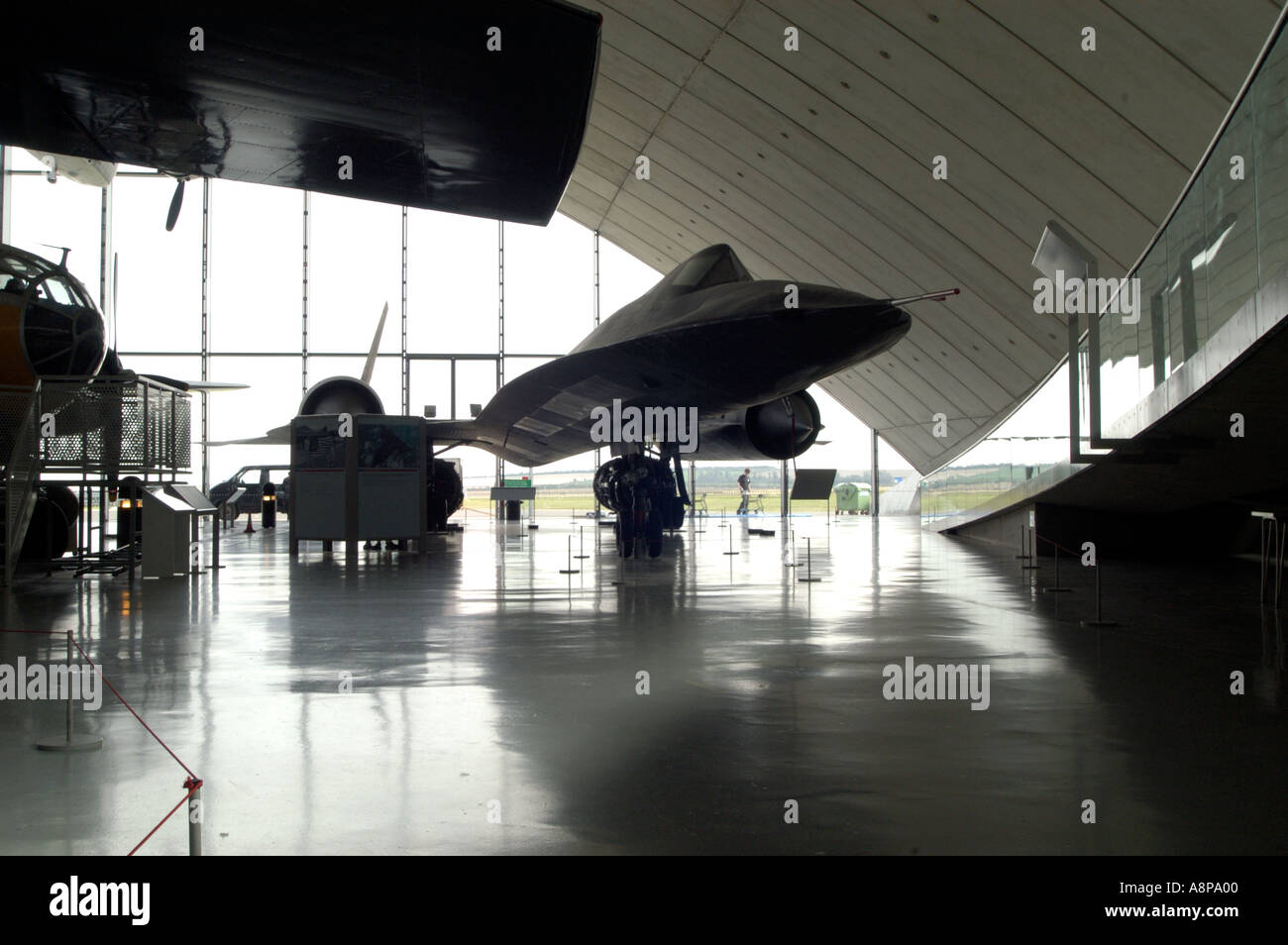
Developed during the Cold War, the B-2 bomber was conceived to penetrate sophisticated enemy defenses and deliver nuclear and conventional ordnance with precision. The aircraft’s first flight occurred in 1989, with production officially beginning in the mid-1990s. The B-2 was designed to address the evolving threats of the time, particularly the need for stealth capabilities against increasingly advanced radar systems.
Stealth Technology: The Heart of the B-2

One of the most significant innovations in the B-2’s design is its stealth technology. This capability allows the bomber to evade detection by enemy radar systems. The B-2 employs several techniques to achieve this level of stealth:
- Shape and Design: The B-2’s flying wing design minimizes its radar cross-section. The smooth, flat surfaces reflect radar waves away from the source, making the aircraft difficult to detect.
- Material Usage: The aircraft is constructed using radar-absorbent materials (RAM), which further reduce its visibility on radar screens.
- Engine Placement: The engines are mounted above the wings and surrounded by noise-reducing features, which helps to minimize both radar and infrared signatures.
These innovations allow the B-2 to penetrate enemy airspace with greater security, providing a crucial advantage in modern warfare.
Avionics and Navigation Systems
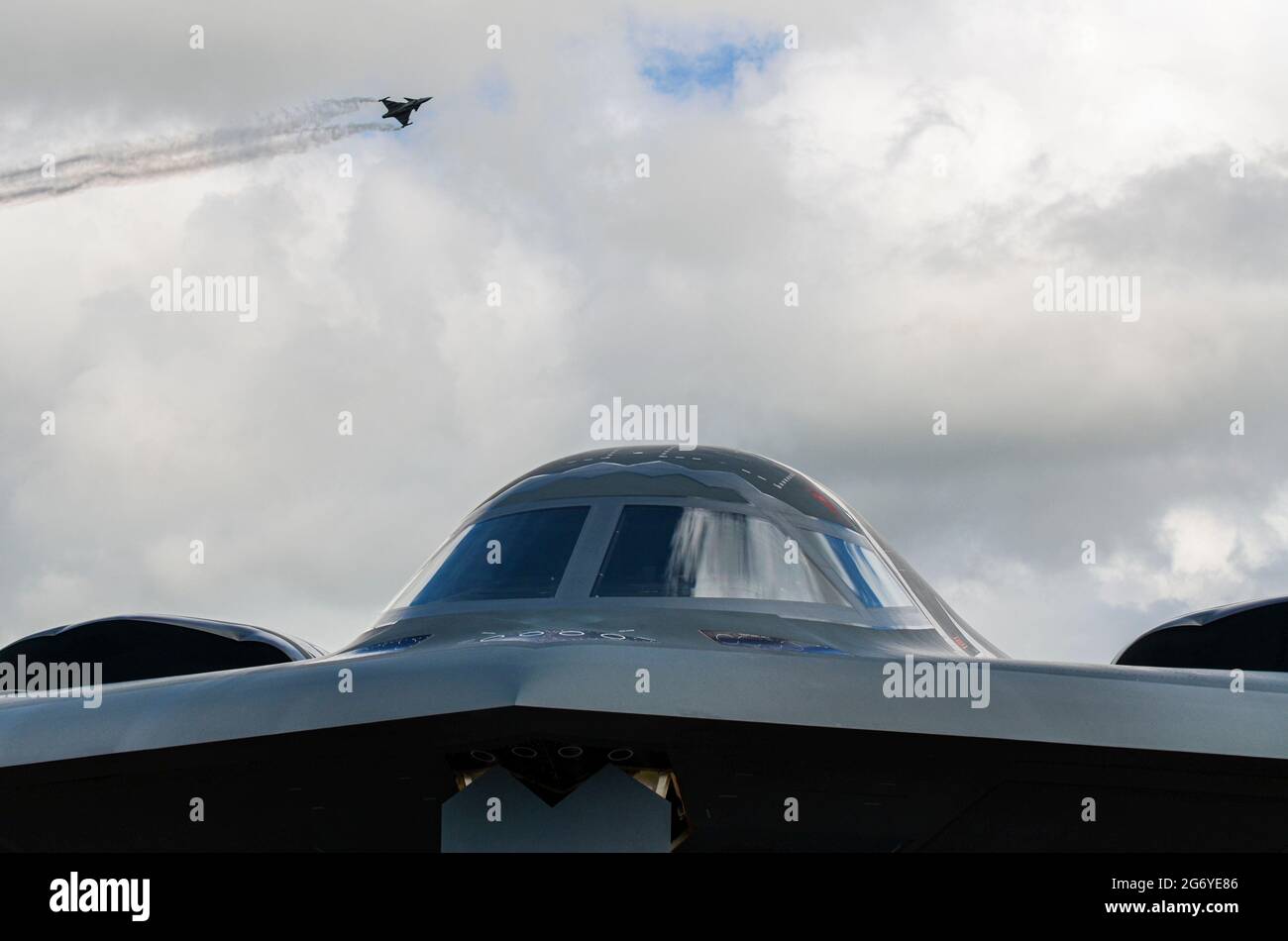
The B-2’s avionics are state-of-the-art, ensuring that it can operate effectively in various combat environments. Some notable features include:
- Integrated Avionics: The B-2 uses a fly-by-wire control system, enhancing maneuverability and stability. This system integrates flight control, navigation, and weapons management into a single platform.
- Advanced Radar Systems: The B-2 is equipped with a radar system capable of detecting and tracking targets at long ranges. This capability is vital for mission planning and execution.
- Global Positioning System (GPS): The aircraft uses GPS for precise navigation and targeting, allowing for accurate strikes in complex environments.
These advanced systems ensure that the B-2 remains a formidable force even as technology evolves.
Payload Capacity and Versatility
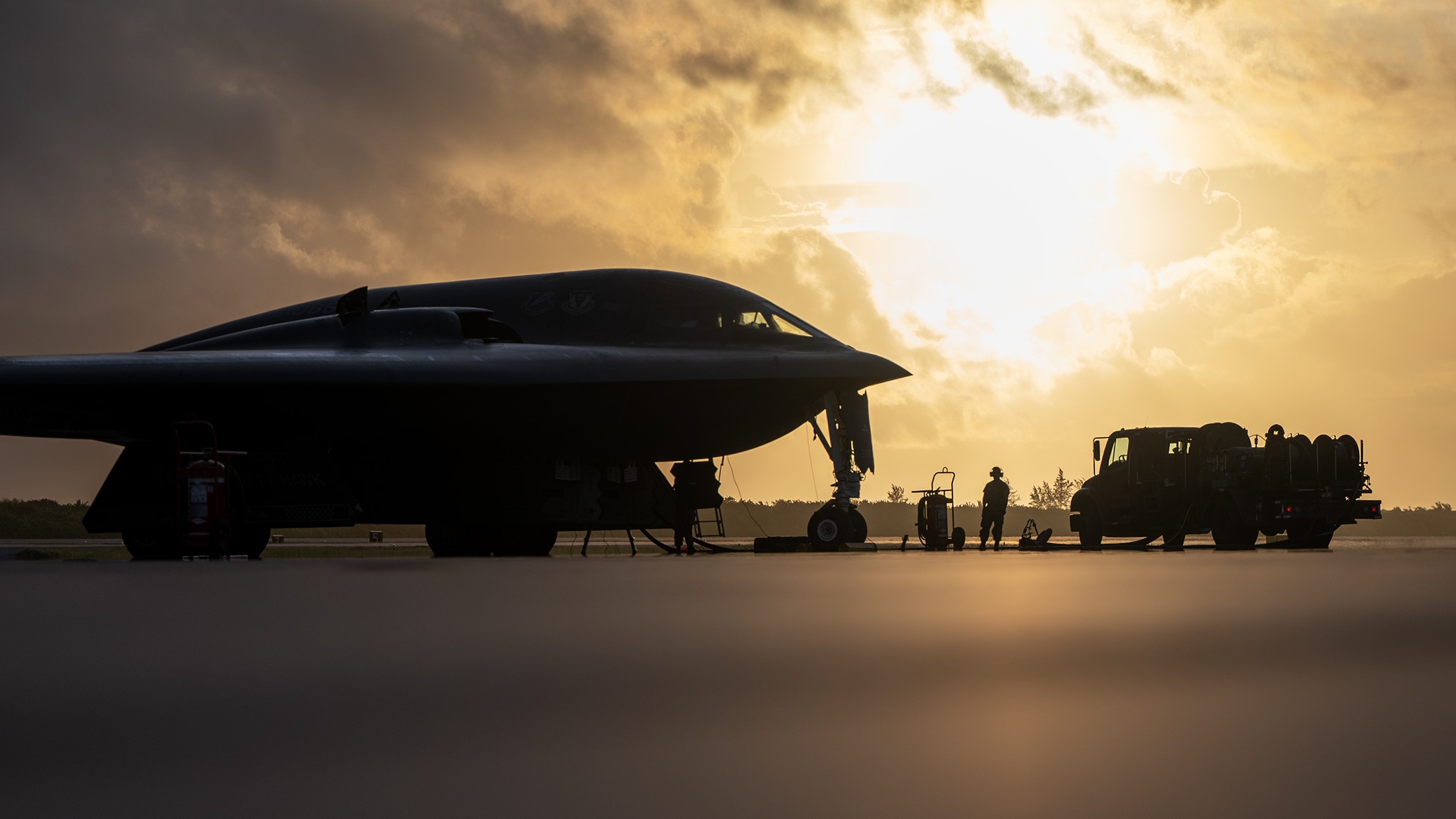
Another remarkable aspect of the B-2 is its payload capacity. The bomber can carry up to 40,000 pounds of munitions, including both conventional and nuclear weapons. This versatility allows the B-2 to execute a wide range of missions:
- Strategic Bombing: The B-2 can deliver precision-guided munitions, making it effective in strategic bombing campaigns.
- Nuclear Deterrence: As part of the U.S. nuclear triad, the B-2 serves as a key element in deterring potential adversaries.
- Close Air Support: The aircraft can also be utilized for close air support in ground operations, demonstrating its adaptability.
Through its design and capabilities, the B-2 has proven to be a multi-role platform, capable of engaging in various combat scenarios.
Case Studies: B-2 Missions in Action
The B-2 has been utilized in several notable military operations, showcasing its capabilities and effectiveness:
- Operation Allied Force (1999): During the NATO campaign in Kosovo, B-2 bombers played a critical role in precision bombing missions, delivering over 1,500 tons of ordnance with minimal collateral damage.
- Operation Enduring Freedom (2001): The B-2 was deployed in Afghanistan, where it targeted Taliban and al-Qaeda positions, demonstrating its adaptability to unconventional warfare.
- Operation Iraqi Freedom (2003): B-2s conducted extensive bombing runs in Iraq, utilizing their stealth capabilities to evade detection and deliver crucial strikes on strategic targets.
These case studies highlight the B-2’s effectiveness in various military engagements and its role in modern warfare.
Challenges and Future Innovations

While the B-2 remains a critical asset, it faces challenges as technology and warfare evolve. Several issues are currently being addressed:
- Maintenance and Costs: The B-2’s maintenance is complex and costly, leading to discussions about the financial viability of keeping the fleet operational.
- Emerging Technologies: With advancements in radar and missile defense systems, the B-2 must continue to adapt to ensure its effectiveness in future conflicts.
- Next-Generation Bombers: The U.S. Air Force is investing in the Next Generation Air Dominance (NGAD) program, which aims to develop new aircraft that incorporate lessons learned from the B-2 and other platforms.
These challenges underscore the need for continuous innovation in military aviation.
The B-2 bomber stands as a testament to the advancements in military aviation technology and design. Its innovative stealth capabilities, state-of-the-art avionics, and versatile payload capacity have redefined aerial warfare. By examining its historical context, technological innovations, and real-world applications, we gain valuable insights into the complexities of modern military operations.
As the landscape of warfare continues to evolve, the B-2 remains a critical asset for the U.S. Air Force, demonstrating the importance of adapting to new challenges and embracing innovation. The lessons learned from the B-2’s design and operational history will undoubtedly shape the future of military aviation.