In the world of football, the playmaker occupies a pivotal role, serving as the creative heartbeat of the team. This article explores the significance of playmakers, with a particular focus on Ruud Gullit’s transformative impact during his time at AC Milan. As one of the most celebrated players of his era, Gullit redefined the role of the playmaker, blending technical prowess with physicality and tactical intelligence.
Understanding the Playmaker Position
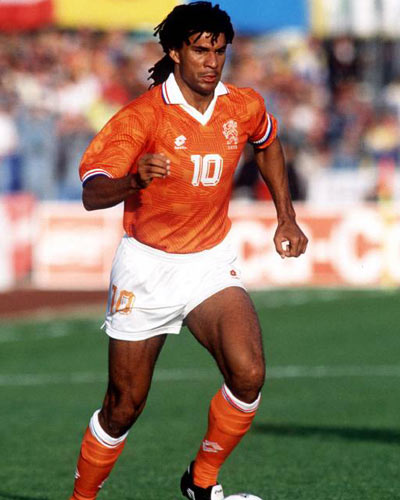
The playmaker is often viewed as the architect of a team’s attacking play, responsible for orchestrating movements, creating goal-scoring opportunities, and linking the midfield with the forwards. Here are some key attributes that define an effective playmaker:
- Vision: The ability to see and anticipate plays before they unfold, allowing for timely and accurate passes.
- Technical Skills: Proficiency in dribbling, passing, and shooting to execute complex plays and maintain possession.
- Tactical Awareness: Understanding the game’s dynamics and positioning oneself effectively to exploit defensive weaknesses.
- Leadership: Guiding and motivating teammates, often serving as a vocal presence on the pitch.
Ruud Gullit exemplified these qualities during his illustrious career, particularly at AC Milan, where he became a linchpin in a team that reigned supreme in European football.
Ruud Gullit: A Brief Overview
Born on September 1, 1962, in Amsterdam, Ruud Gullit began his professional career at FC Utrecht before moving on to play for clubs like PSV Eindhoven and Chelsea. However, it was his time at AC Milan, from 1987 to 1993, that solidified his status as one of football’s greats. Gullit was not just a playmaker; he was a versatile player who could adapt to various positions, including attacking midfielder and forward.
The Tactical Revolution at AC Milan
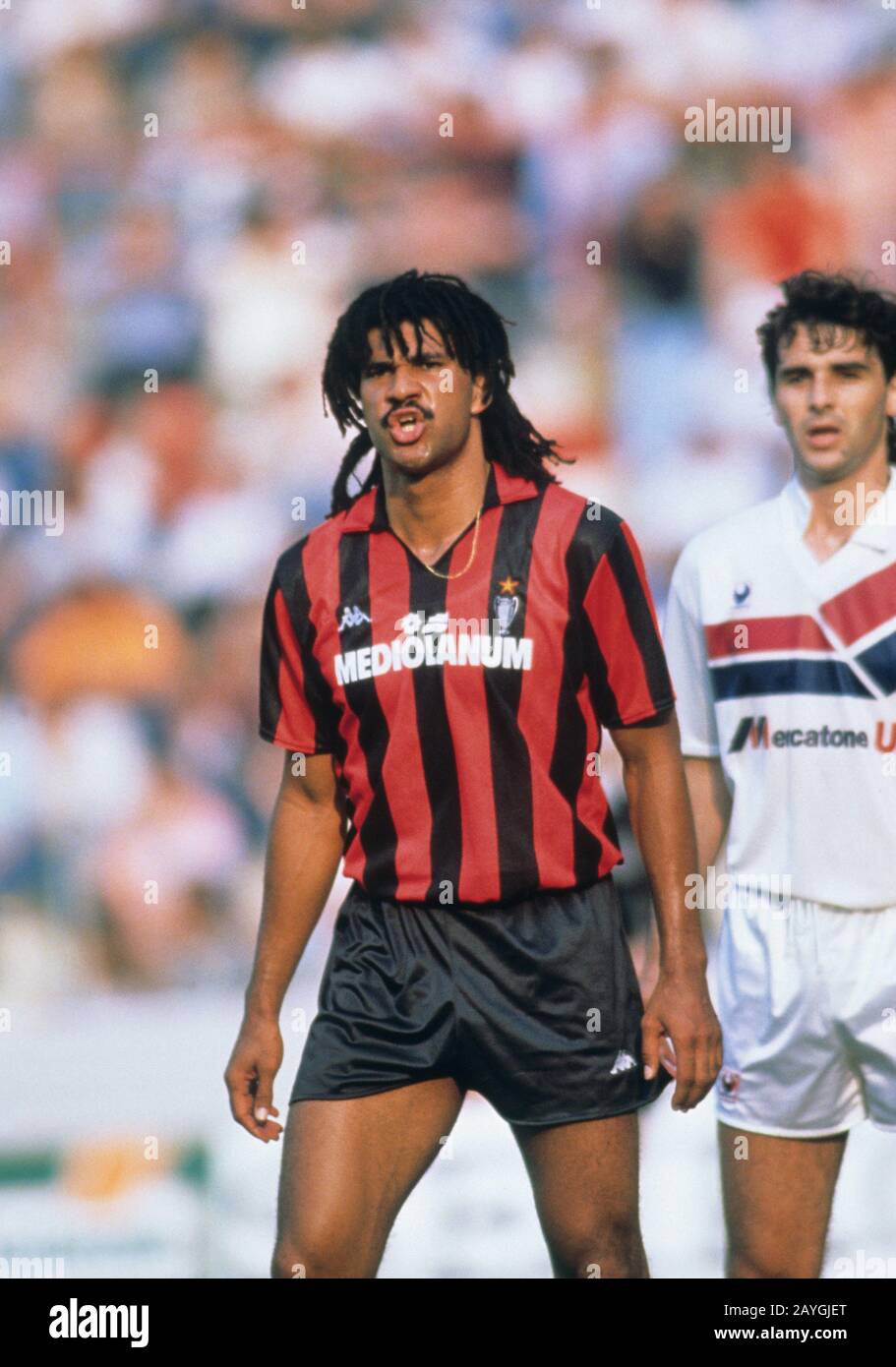
When Gullit joined AC Milan, the club was undergoing a significant transformation under the management of Arrigo Sacchi. Sacchi’s tactical innovations, especially the implementation of a high-pressing system and fluid attacking play, were perfectly complemented by Gullit’s unique skill set. Here’s how Gullit impacted Milan tactically:
- Fluidity in Formation: Gullit’s versatility allowed Milan to switch between formations, creating confusion for opponents. He could drop deep to assist in midfield or push forward to support strikers.
- Link-Up Play: His ability to connect with forwards like Marco van Basten and Franco Baresi was crucial in creating a cohesive attacking unit.
- Defensive Contributions: Gullit was not just an attacking threat. His work rate and defensive discipline helped Milan maintain balance, often tracking back to support the defense.
Statistical Impact: Gullit’s Contributions at Milan

Gullit’s time at AC Milan was marked by significant achievements and impressive statistics that underscore his influence on the pitch. Here are some highlights:
- Goals and Assists: During his tenure at Milan, Gullit scored 56 goals and provided 32 assists in 171 appearances across all competitions.
- Trophies: Gullit won numerous titles, including three Serie A titles (1988, 1992, 1993) and two UEFA Champions League titles (1989, 1990).
- Individual Accolades: He was awarded the Ballon d’Or in 1987, recognizing him as the best player in the world, a testament to his exceptional skills and contributions.
The Cultural Impact of Gullit at AC Milan

Beyond statistics, Gullit’s presence at Milan had a profound cultural impact on the club and Italian football as a whole. Here are some aspects of his influence:
- Diversity and Inclusion: As one of the first prominent black players in Serie A, Gullit challenged racial stereotypes and opened doors for future generations of players from diverse backgrounds.
- Changing the Midfield Narrative: He showcased that playmakers could be physically imposing, breaking the mold of the traditionally smaller, more technical midfielders.
- International Recognition: Gullit’s performances helped elevate AC Milan’s profile on the world stage, attracting global attention to Serie A during the late 1980s and early 1990s.
Case Studies: Key Matches and Moments
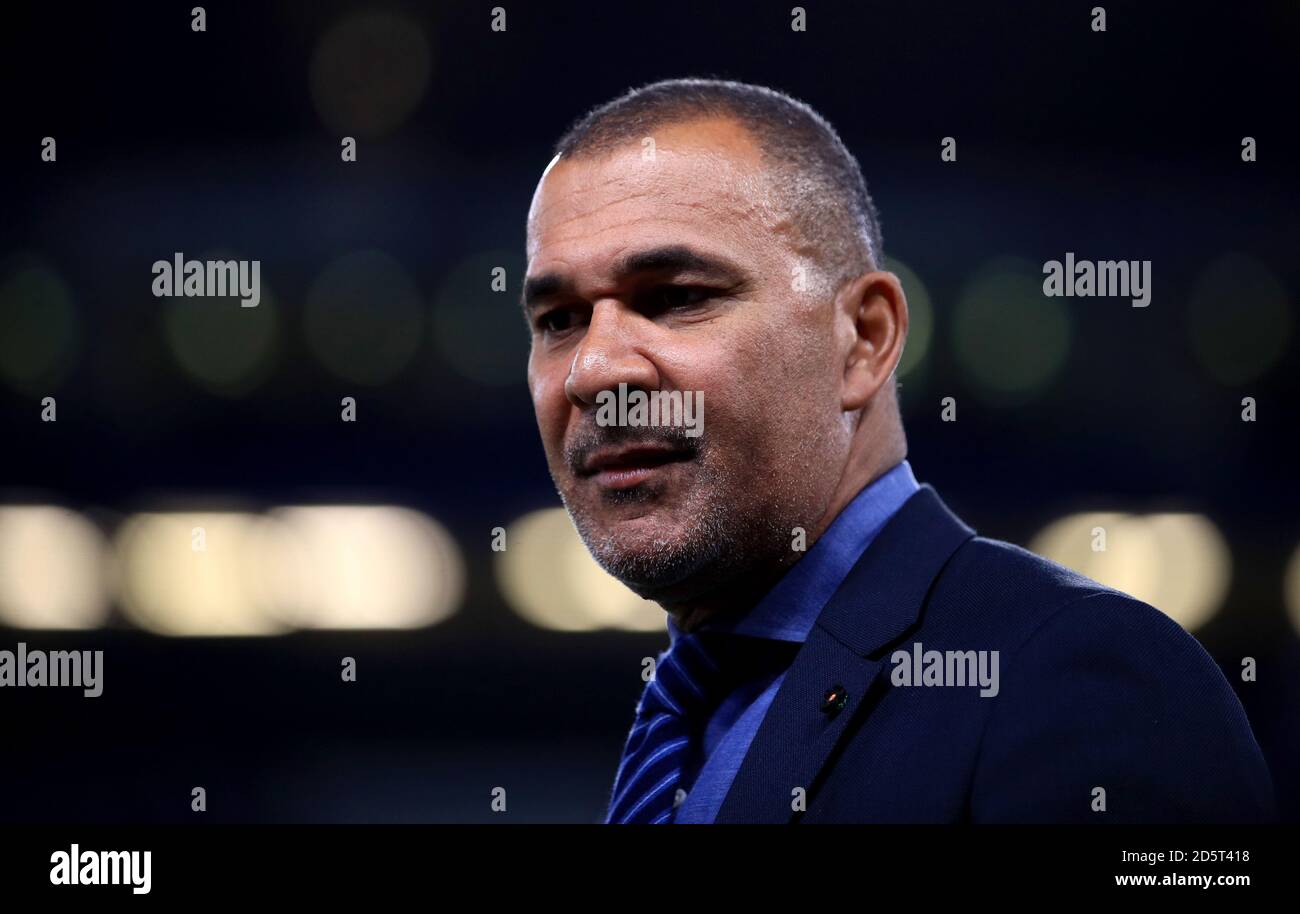
Several matches during Gullit’s time at AC Milan exemplify his impact as a playmaker. Here are a few noteworthy examples:
- 1989 UEFA Champions League Final: Gullit scored the opening goal against Steaua Bucharest, helping Milan secure a 4-0 victory and their first European Cup title in over two decades.
- 1990 World Cup: Although not a club match, Gullit’s performances for the Netherlands, especially during the tournament, showcased his abilities as a playmaker and raised his profile further, which in turn reflected positively on his club.
- 1992 Serie A Title Decider: In a crucial match against Juventus, Gullit’s creativity and composure led to a decisive goal that clinched the Serie A title, solidifying Milan’s dominance in Italian football.
The Legacy of Ruud Gullit
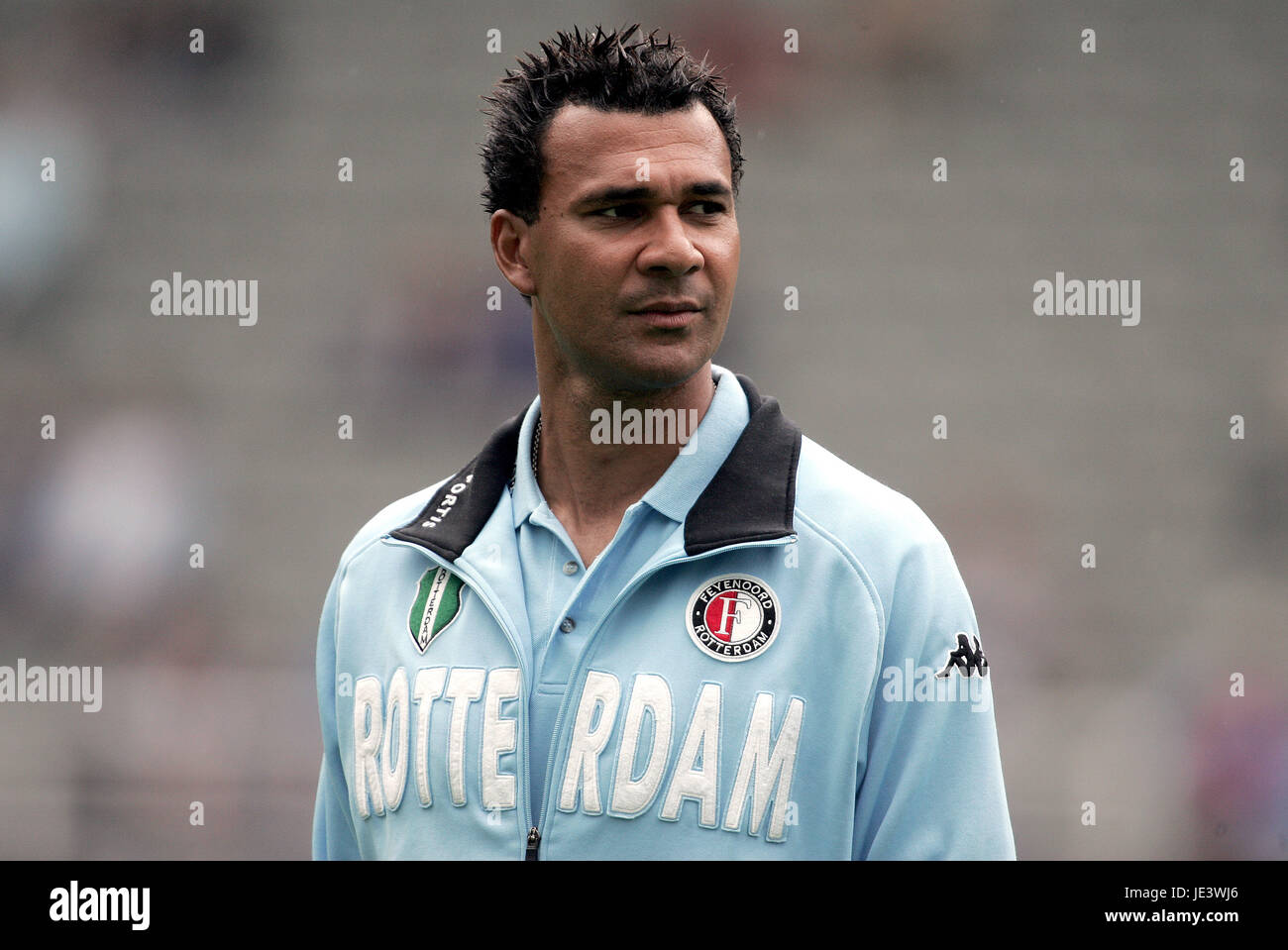
Ruud Gullit’s legacy at AC Milan is multifaceted. His contributions as a playmaker changed the way the role is perceived, inspiring future generations of footballers. Here are some key takeaways from his career:
- Redefining Playmaking: Gullit demonstrated that a playmaker could be both a creative force and a physical presence, paving the way for players like Zinedine Zidane and Andrea Pirlo.
- Influence on Tactics: His success under Sacchi’s system illustrated the importance of tactical flexibility and the integration of a playmaker into a cohesive team strategy.
- Cultural Shift: Gullit’s achievements in a predominantly conservative Serie A opened avenues for diversity in football, promoting inclusivity in the sport.
Ruud Gullit’s impact at AC Milan transcended mere statistics; he was a revolutionary figure who transformed the role of the playmaker in football. His vision, technical abilities, and tactical intelligence not only propelled Milan to unprecedented success but also set a new standard for future generations of players. As we analyze his contributions, it becomes evident that the essence of a true playmaker lies in their ability to not only create but also to inspire, leading their teams to glory. Gullit’s legacy continues to resonate in the football world, serving as a reminder of the profound influence a single player can have on a team, a league, and the sport as a whole.