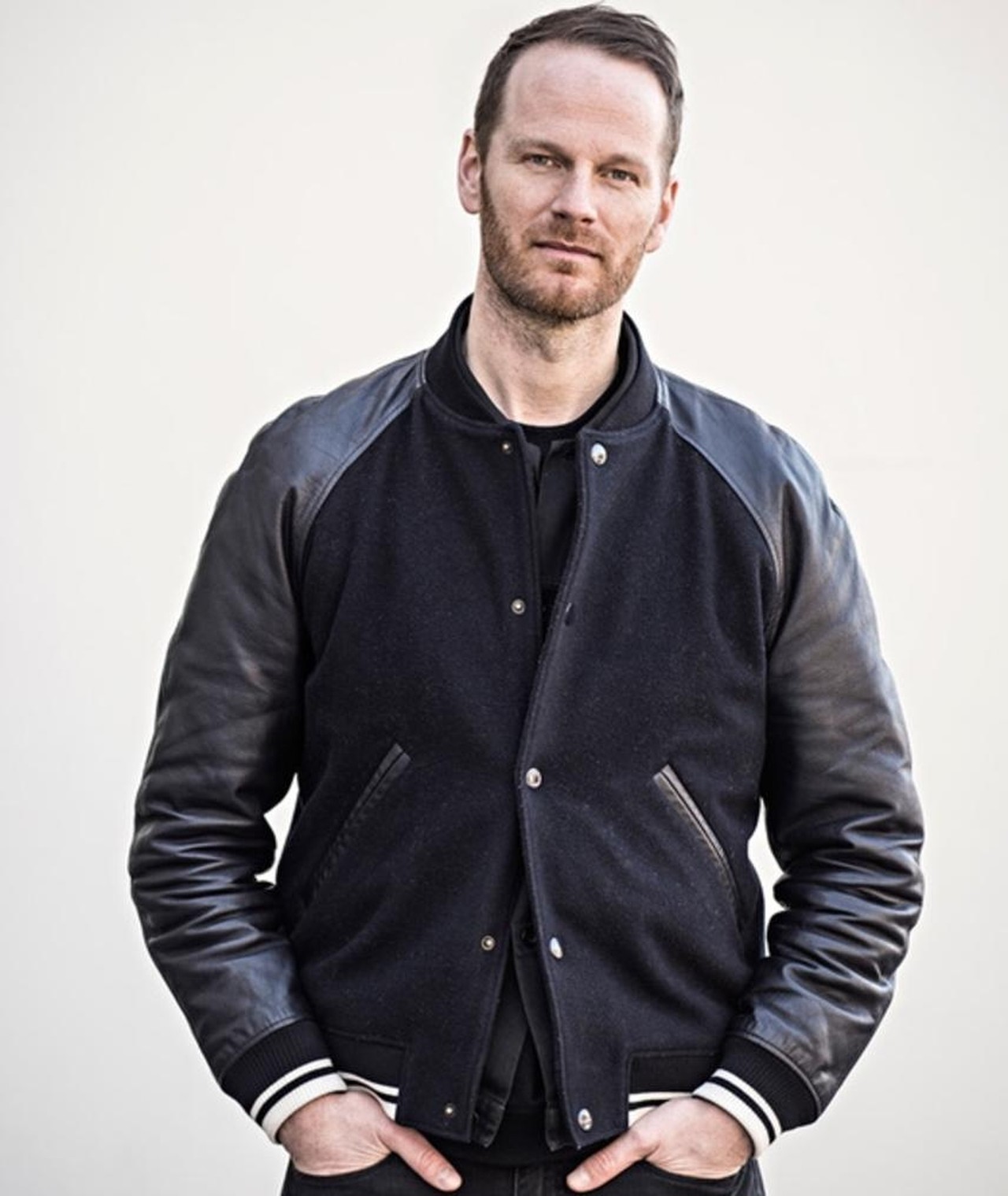
Norwegian filmmaker Joachim Trier has gained significant acclaim for his unique storytelling and distinctive cinematic vision. Known for films like “Oslo, August 31st,” “Reprise,” and “Thelma,” Trier’s artistry often draws on personal experiences and relationships, which leads us to explore a crucial aspect of his life: his marriage. In this article, we will delve into the woman behind Joachim Trier’s vision, understanding how their relationship influences his work and contributes to his artistic narrative. Through this exploration, we will examine the dynamics of their partnership, the impact of personal relationships on creativity, and how Trier’s marriage serves as a foundation for his remarkable films.
Joachim Trier: A Brief Overview
Before diving into the intricacies of Trier’s marriage, it is essential to understand who he is as a filmmaker. Born in 1974 in Oslo, Norway, Trier has been a prominent figure in contemporary cinema. His films often explore themes of existentialism, love, and the human condition, characterized by a poetic yet realistic portrayal of life. Trier has been nominated for several prestigious awards, including the Cannes Film Festival and the Academy Awards, solidifying his place in the global film industry.
The Woman Behind the Vision: Meet Trier’s Partner
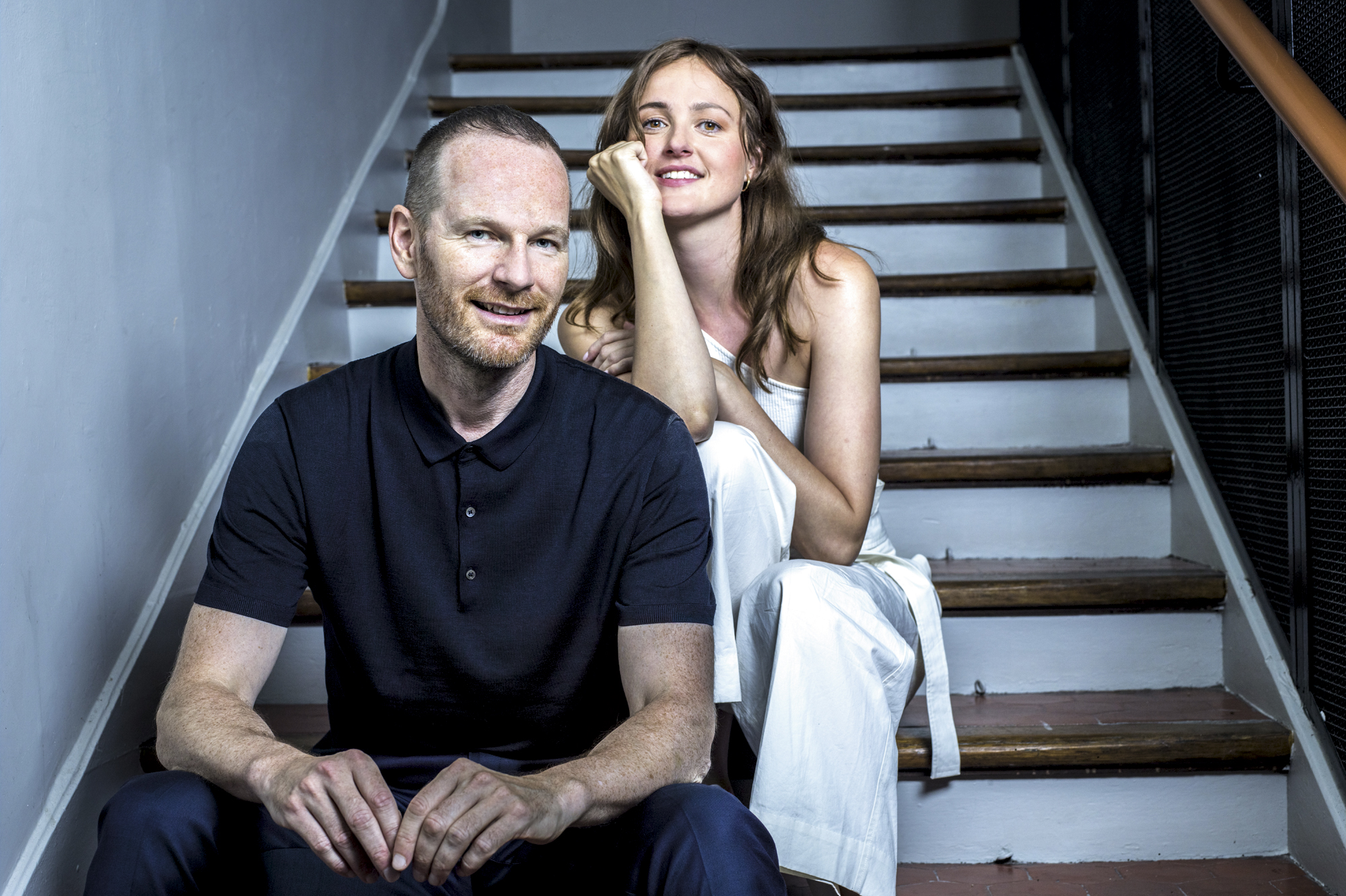
Joachim Trier is married to the talented Norwegian actress and producer, Marianne Ulrich. Their relationship began in the early 2000s, and they have been partners in both life and art for over two decades. Ulrich, who has appeared in various Norwegian films and television shows, brings a unique perspective to Trier’s work, contributing significantly to the creative process.
Marianne Ulrich: A Creative Force
Marianne Ulrich is not just Trier’s wife; she is an accomplished actress and producer in her own right. Her contributions to the arts extend beyond acting, as she has played a pivotal role in supporting Trier’s vision, often collaborating closely with him on his projects. Here are some key aspects of her career:
- Acting Career: Ulrich has appeared in several notable films and series, showcasing her versatility and depth as an actress.
- Production Work: She has also taken on roles behind the camera, helping to produce films that align with her artistic vision.
- Creative Collaboration: Ulrich’s insights and feedback often provide Trier with a different perspective, enriching his storytelling process.
The Impact of Their Relationship on Trier’s Work
Art often mirrors life, and for Trier, his relationship with Ulrich has influenced his storytelling in profound ways. Their partnership has shaped the themes explored in his films, as well as the emotional depth of his characters.
Personal Experiences as Creative Fuel
Trier’s work frequently draws from his personal life and experiences. The themes of love, identity, and existential dilemmas prevalent in his films are often reflective of his relationship with Ulrich. For instance:
- Intimacy and Vulnerability: Many of Trier’s films depict intimate relationships, embodying the vulnerability that comes with love. This aspect is likely inspired by his own experiences with Ulrich.
- Exploring Conflict: The complexities of their marriage may inform the conflicts portrayed in his films, making them relatable and authentic.
- Shared Growth: Their journey together has fostered personal and artistic growth, enabling Trier to explore deeper emotional narratives.
Case Studies: Films Reflecting Their Relationship
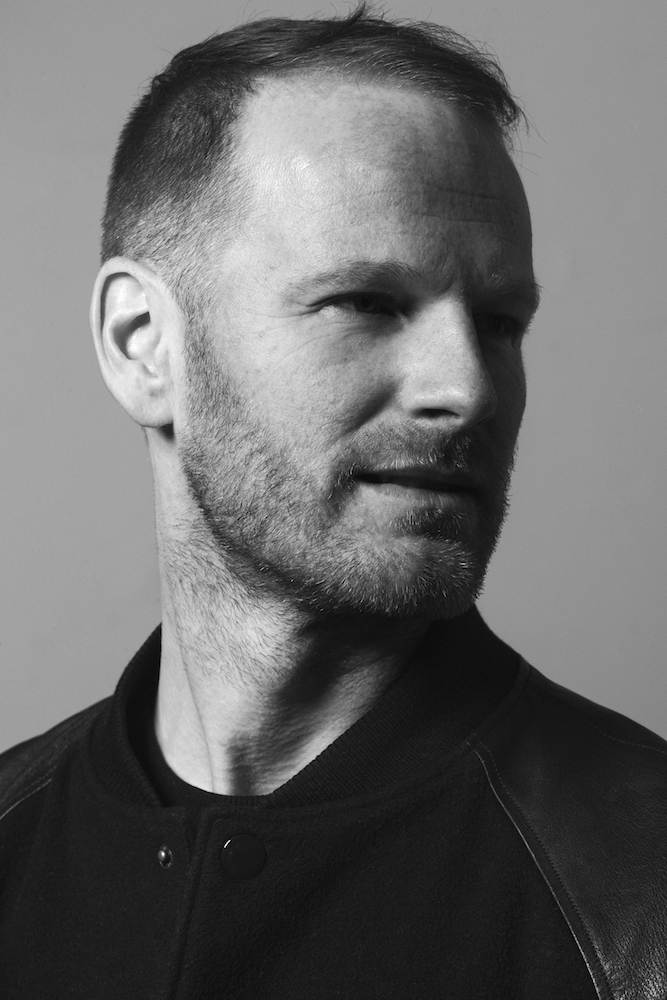
Several of Trier’s films showcase the influence of his relationship with Ulrich, offering a glimpse into how their marriage shapes his narratives. Let’s examine a few notable films:
1. “Oslo, August 31st”
This film explores themes of isolation, addiction, and the quest for connection. The protagonist’s struggles can be seen as reflective of Trier’s own fears and vulnerabilities, shaped by his relationship with Ulrich. Their shared understanding of human emotions adds layers to the film’s narrative.
2. “Thelma”

“Thelma” delves into themes of identity, sexuality, and repression. The emotional depth of the characters is enriched by Trier’s personal insights, possibly derived from his marriage. Ulrich’s influence is evident in the film’s exploration of complex relationships and personal discovery.
3. “Reprise”
This film examines the lives of two aspiring writers, touching on themes of ambition, love, and mental health. The dynamic between the characters mirrors the complexities of Trier and Ulrich’s relationship, emphasizing the struggles and triumphs that come with pursuing one’s dreams.
Statistics on Relationships and Creativity

The link between personal relationships and creativity is well-documented in psychological studies. Here are some statistics that highlight this connection:
- Creative Partnerships: Research indicates that individuals in supportive relationships report higher levels of creativity and innovation.
- Emotional Support: A study published in the “Journal of Creative Behavior” found that emotional support from a partner can significantly enhance creative output.
- Collaboration Benefits: Collaborative projects often lead to more innovative ideas, showing that partnerships can amplify creative potential.
The Balance of Personal and Professional Life
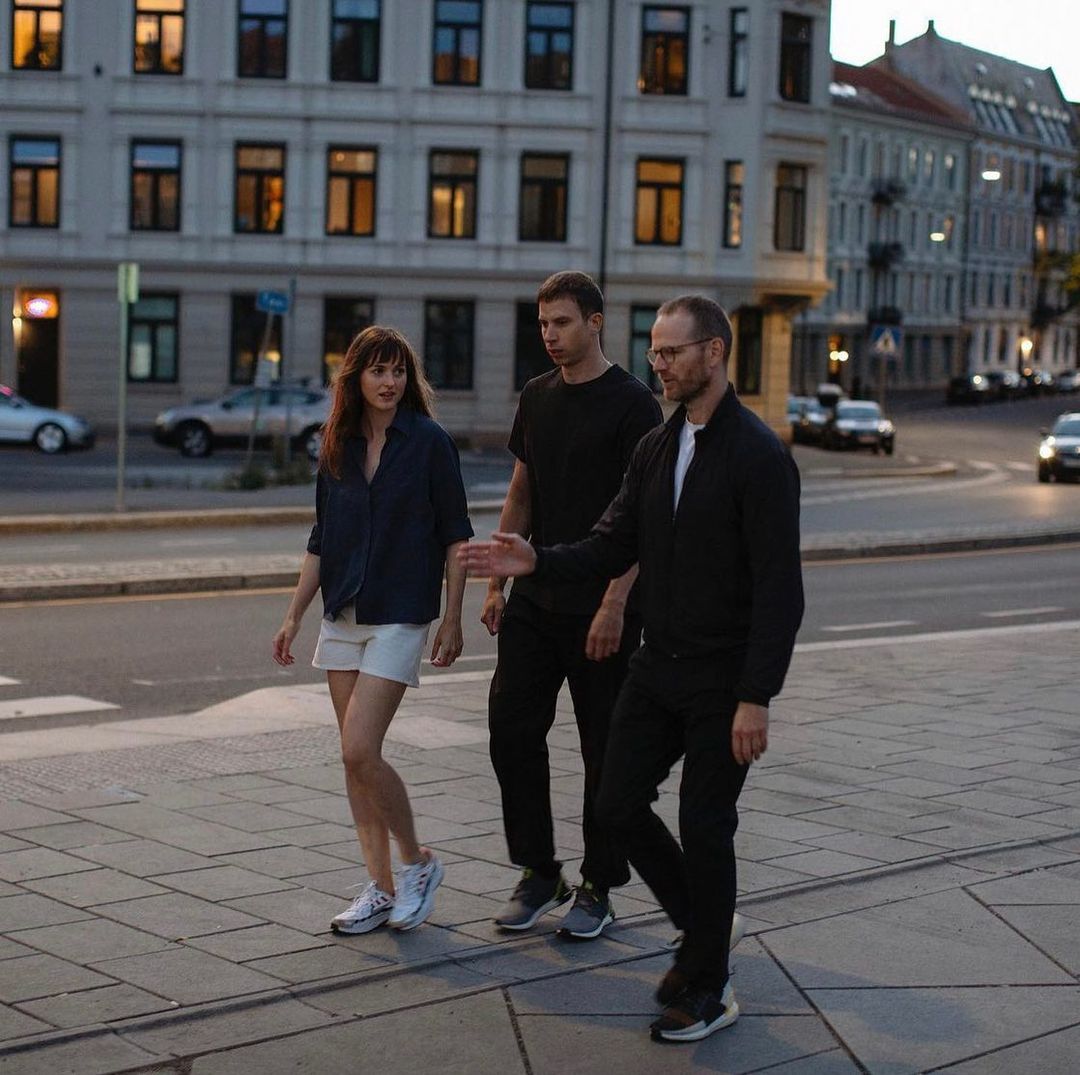
Maintaining a balance between personal and professional life can be challenging, especially for creative individuals. For Trier and Ulrich, their marriage serves as both a source of inspiration and a grounding force. Here are some strategies they might employ to maintain this balance:
- Open Communication: Discussing creative ideas and personal experiences fosters understanding and collaboration.
- Quality Time: Prioritizing time spent together outside of work can help rejuvenate their relationship.
- Mutual Support: Supporting each other’s careers can strengthen their bond while enhancing their creative endeavors.
The Power of Partnership in Art
Joachim Trier’s marriage to Marianne Ulrich exemplifies the profound impact that personal relationships can have on creative work. Their partnership not only fuels Trier’s artistic vision but also enriches the narratives he weaves into his films. By exploring themes of love, vulnerability, and personal growth, Trier’s work resonates with audiences on a deeper level, reflecting the complexities of human relationships. As we have seen, the balance between personal and professional life is essential for creative individuals, and Trier and Ulrich’s marriage serves as a testament to the power of partnership in the world of art. Through their collaboration, they continue to inspire not only each other but also countless viewers around the globe.